Trade Unions Accuse Government of Using Proposed PSTA to Suppress Workers' Rights
· Sri Lanka
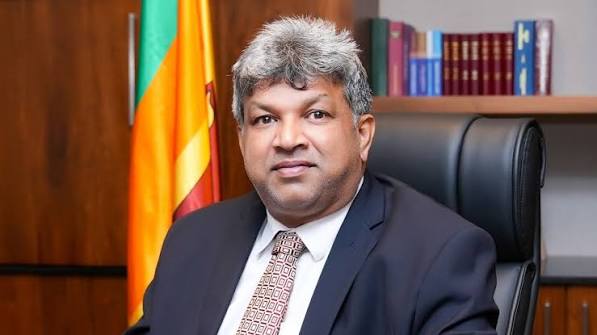
Representatives of several trade unions met with the Opposition Leader today, raising concerns over the government's proposed Public Security and Terrorism Act (PSTA), which they claim could be used to suppress trade union activities and public dissent.
The trade union representatives alleged that the proposed legislation would grant authorities excessive powers, including the ability to detain individuals for up to 72 hours. They warned that such provisions could affect workers and others who organise protests or speak out against government policies.
Ananda Palitha, Convenor of the Samagi Trade Union Alliance, criticised the government over what he described as its failure to fulfil promises made to the public. He also raised concerns about electricity supply, gas availability and the rising cost of living, claiming that consumers continued to face difficulties despite assurances about supplies.
Palitha appealed to the media to highlight concerns over a possible fuel price increase, urging authorities not to impose further financial pressure on the public.
H.A.R. Nihal, General Secretary of the United National Postal Workers' Union, said public sector employees were awaiting the upcoming budget with expectations of salary increases to help them cope with the rising cost of living. He warned that workers could take to the streets if their demands were not addressed.
He further accused the government of using repressive measures to conceal its shortcomings.
Thusitha Perera, representing the Collective of Trade Unions and Civil Organisations, said the group had previously opposed the 22nd Amendment and criticised the government over the manner in which it was passed. He also pointed out that the government had pledged in its election manifesto to repeal the existing anti-terrorism law, but was now proposing legislation that he described as even more dangerous.
Samagi Jana Balawegaya Member of Parliament Mujibur Rahman said the rising cost of essential goods had made it increasingly difficult for people to meet their daily expenses. He also alleged that approximately 1.8 million people had been removed from the Aswesuma welfare programme.
Rahman claimed that the proposed laws were intended to suppress public opposition arising from economic difficulties. He warned that trade union activities and public criticism could be treated as acts of terrorism under the proposed legislation.
Priyantha Padbediriya, Trade Union Secretary of the Samagi Jana Balawegaya and Convenor of the Education Employees' Association, also criticised the proposed laws, alleging that they were intended to silence the public.
He questioned why the government had not provided greater relief to the public if the Treasury was in a strong financial position, pointing to rising fuel and commodity prices.
Source: Serendib News