Fuel market faces fresh pressure as Asian prices rise
· Sri Lanka
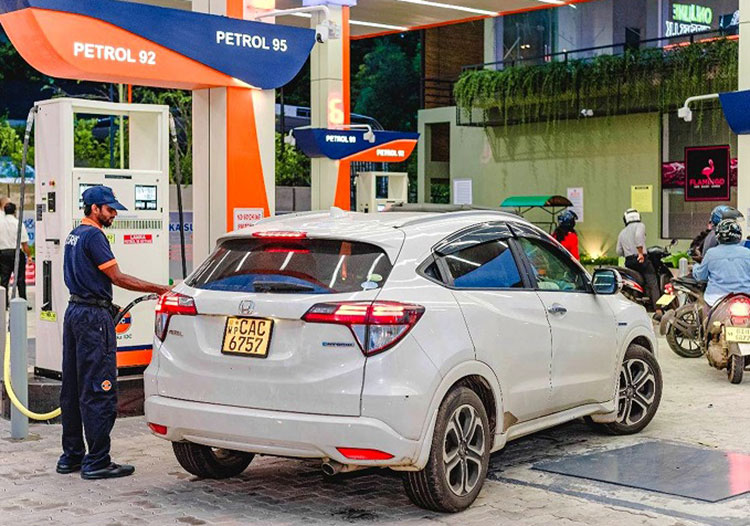
Sri Lanka’s fuel market is coming under renewed pressure as the escalating West Asian conflict and disruption to key oil-shipping routes push up international crude and refined-fuel prices, with a top Ceylon Petroleum Corporation (CPC) official saying the Corporation is closely monitoring developments and the potential impact on domestic fuel costs.
A top CPC official said the sharp rise in international oil prices was being driven by the conflict and disruptions to energy infrastructure and shipping routes in the region.
The official said Sri Lanka’s exposure to the international price shock would also depend on the timing of fuel purchases, as petroleum cargoes are ordered well before they arrive in the country and the final landed cost is determined when the cargo is delivered.
The CPC is also seeking to cushion consumers from the full impact of international price increases while maintaining uninterrupted supplies, the official said.
The latest developments come as Brent crude remains above USD 100 a barrel despite a recent retreat in prices following efforts by Saudi Arabia to maintain exports through alternative routes.
Brent crude futures fell to USD 104.74 a barrel yesterday, while West Texas Intermediate was trading at USD 101.60, according to Reuters. Saudi Arabia has been offering additional crude cargoes to Asian refiners through Oman to offset disruptions caused by attacks on its East-West pipeline.
The immediate concern for Sri Lanka is the potential impact on the country’s petroleum import bill, foreign-exchange requirements and inflation.
Higher international crude and refined-product prices mean that more dollars are required to finance fuel imports, while higher domestic energy costs can feed into transportation, manufacturing, agriculture, fisheries and logistics.
The pressure is already being felt elsewhere in Asia.
Pakistan has raised petrol prices by Pakistani Rs. 4.42 a litre and high-speed diesel by Rs. 6.10, taking the prices to Rs. 380.24 and Rs. 409.42 respectively. The latest increase is reported to be the sixth consecutive fuel price increase in the country.
The Philippines has also raised fuel prices, with petrol increasing by 5.68 Philippine pesos a litre, diesel by 4.31 pesos and kerosene by 4.62 pesos for the latest pricing period.
The developments provide an indication of how quickly international energy-market disruptions can feed into domestic fuel markets across fuel-importing Asian economies.
For Sri Lanka, the issue is particularly significant because petroleum remains a major component of the country’s import bill. The CPC’s current prices stand at Rs. 399 a litre for 92-octane petrol and Rs. 382 for auto diesel, according to the Corporation’s latest published prices.
The government is meanwhile facing pressure to balance consumer protection with the financial sustainability of fuel suppliers.
The Energy Minister has said several options are being considered, including fuel subsidies, price limits for private distributors and adjustments to retail prices. Private operators have reported substantial losses on diesel under prevailing prices, while the CPC has said it is currently absorbing losses on diesel through earnings from other petroleum operations.
A prolonged international oil-price shock could therefore have consequences extending well beyond the pump.
Higher fuel costs would raise operating expenses for transport-dependent businesses and could increase the cost of moving goods throughout the economy. For manufacturers and exporters, higher energy and logistics costs could also affect margins and competitiveness.
At the macroeconomic level, a sustained increase in petroleum prices could increase Sri Lanka’s foreign-exchange requirements and place additional pressure on the trade balance and inflation.
The international oil market, however, remains highly fluid. Saudi Arabia’s efforts to redirect crude exports through Oman have eased some immediate supply concerns, while expectations that its damaged East-West pipeline could return to operation within days have also helped push crude prices lower.
But shipping through the Strait of Hormuz remains severely disrupted and the wider conflict continues to pose risks to crude and refined-product supplies.
For Sri Lanka, the coming weeks will therefore be closely watched by fuel suppliers, importers and businesses as the country assesses whether the current international price shock proves temporary or develops into a more prolonged increase in the cost of energy.
Source: The Island