Sri Lanka’s vice-captaincy change: A selection decision that must lead to a leadership plan
· Sri Lanka
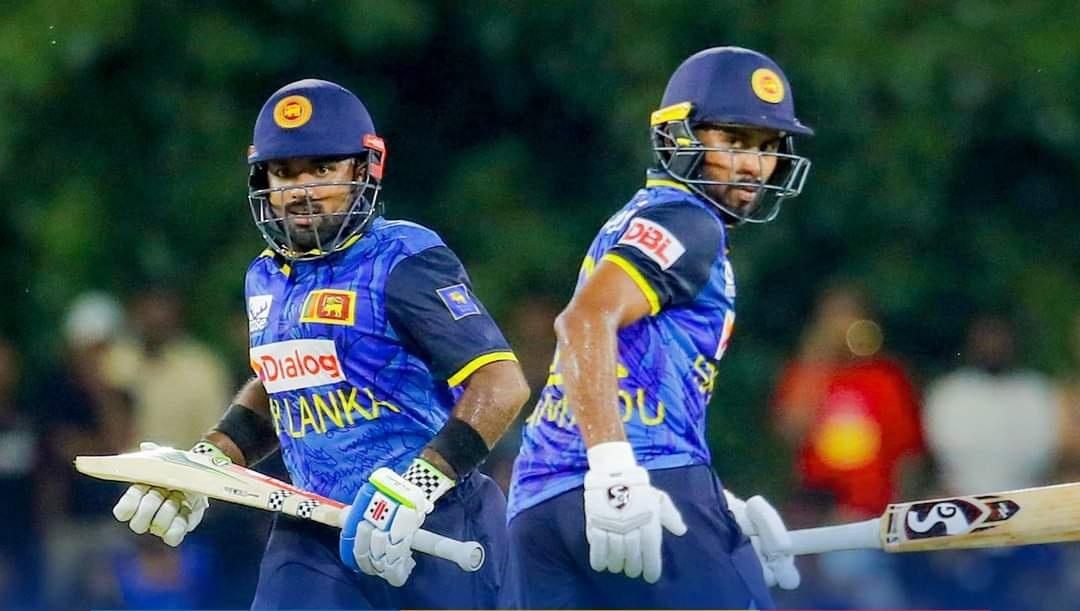
Sri Lanka Cricket’s decision to appoint Charith Asalanka as vice-captain of both the ODI and T20I teams, replacing Kamindu Mendis, is more than a routine change to the leadership group. It raises a fundamental question about how Sri Lanka intends to identify, develop and prepare its next generation of national leaders.
Kusal Mendis will continue as captain in both formats when Sri Lanka tours England for three T20Is and three ODIs from September 15 to 27. Asalanka returns to the leadership group after previously captaining Sri Lanka in both white-ball formats.
The appointment of Asalanka is, in itself, difficult to criticise. He has already experienced the responsibility of leading the national side and therefore understands the tactical, technical and psychological demands of captaincy at international level.
RAPID CHANGE But the bigger concern is the rapid change in the succession plan.
Only in May, Sri Lanka Cricket appointed 27-year-old Kamindu Mendis as vice-captain across all three formats, describing his elevation as a possible indication of the future leadership structure.
Just three months later, Kamindu has been replaced as vice-captain in the white-ball teams, although he remains in both squads for England.
That creates an obvious question: What changed?
If Kamindu was considered sufficiently ready in May to become vice-captain across Tests, ODIs and T20Is, the selectors should provide a clear cricketing rationale for why Asalanka is now preferred in the two white-ball formats.
This does not mean Kamindu should necessarily have retained the vice-captaincy. Selection committees have every right to reassess leadership requirements. However, leadership development requires consistency, clarity and patience.
Asalanka brings something Kamindu cannot yet offer
There is a compelling argument for Asalanka.
He has already captained Sri Lanka, and his return comes after a strong domestic campaign. During the 2026 Lanka Premier League, he scored 385 runs in 11 innings at a strike rate of 153.38 and played a significant role in Galle Gladiators’ title-winning campaign.
His experience therefore gives Sri Lanka a vice-captain who has already occupied the top job.
That could be particularly valuable for Kusal Mendis, who is now being given another opportunity to establish himself as Sri Lanka’s long-term white-ball captain.
But the selectors must distinguish between appointing the best deputy for today and developing the best captain for tomorrow.
The current squad provides Sri Lanka with an interesting leadership mix.
Kusal Mendis is the captain. Asalanka is a former white-ball captain and now his deputy. Dasun Shanaka, another former captain, has been recalled to the ODI squad after a lengthy absence and remains part of the T20I setup. Meanwhile, Kamindu Mendis—who was only recently identified for a broader leadership role—remains in both squads.
Rather than viewing this as a problem, Sri Lanka Cricket should turn it into an advantage.
The national team currently has several players with leadership experience or leadership potential. The challenge is to manage that talent systematically.
Sri Lanka should establish a clear leadership pathway extending from domestic cricket to the Sri Lanka A team, the Lanka Premier League and eventually the national side.
Players such as Kamindu and other emerging cricketers should be given genuine opportunities to captain teams, manage pressure and make tactical decisions.
One of Sri Lanka’s recurring problems has been appointing captains when the need arises rather than preparing successors well in advance.
That approach has contributed to repeated leadership changes across formats.
A stronger system would identify two or three potential future captains and deliberately expose them to leadership responsibilities while the current captain remains in charge.
Under such a system, Asalanka can play an important role. His experience can help Kusal Mendis and, at the same time, provide a model for younger players.
But Kamindu’s removal from the vice-captaincy should not become a signal that his leadership development has been abandoned.
Sri Lanka’s England tour begins on September 15, with three T20Is followed by three ODIs.
The immediate objective will naturally be results. But the tour should also be used to establish greater clarity around Sri Lanka’s leadership structure.
Kusal Mendis needs stability. Asalanka needs to demonstrate that his appointment can provide leadership value beyond his batting. Kamindu needs continued opportunities to develop his leadership credentials.
The selectors should therefore be judged not simply on who wears the vice-captain’s badge, but on whether they are building a sustainable succession plan.
Sri Lanka cannot afford to wait until the next captain steps down before beginning the search for his replacement.
The appointment of Charith Asalanka may be the right decision for the present. The real question is whether Sri Lanka Cricket has a clear plan for the future.
Because successful cricket nations do not simply select their next captain.
Source: Sri Lanka Sports