Sri Lanka Wildlife Tusker Organisation Warns 13 Tuskers Face High Risk
· Sri Lanka
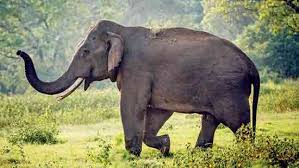
The Sri Lanka Wildlife Tuskers organisation has warned that several of the country’s iconic wild elephants remain at serious risk, calling for stronger conservation measures to protect these animals from threats and prevent further deaths.
The concerns were raised at a media briefing held in Colombo on October 20, where representatives highlighted the vulnerability of Sri Lanka’s tuskers and the importance of long-term wildlife conservation.
Milinda Wattegedara, representing the Wildlife Tuskers organisation, said the group had collected information about wild elephants in Sri Lanka and was working to promote their long-term protection.
He stated that 13 tuskers were at risk and referred to 39 other elephants that had died under various circumstances. The organisation had also prepared a report concerning the deaths of wild elephants, he said.
Wattegedara stressed that the loss of a prominent elephant, such as Kawantissa, represented a significant setback for wildlife conservation in the country. He called attention to the need to protect Sri Lanka’s well-known elephants, whose loss could have lasting consequences for the country’s natural heritage.
Meanwhile, Chandrika Lakmal, the organisation’s chief organiser, said the group had made independent information available to the public about the condition and treatment of elephants.
He referred to reports concerning an elephant that had suffered mobility problems and received treatment, including sedation. He argued that closer monitoring and more timely intervention might have improved the animal’s condition.
Lakmal also raised concerns about an elephant that had fallen in a paddy field and allegedly went without adequate observation for several days. He said better monitoring and follow-up care were essential to improving the welfare of vulnerable elephants.
He added that more than 50 tuskers were believed to remain alive, underscoring the importance of protecting those still at risk.
Wajira Wijegunawardhana, another representative, said that although the public recognised the value of these animals, human activities had contributed to the loss of several elephants that should otherwise have survived.
He emphasised that public awareness of the ecological and cultural importance of elephants was essential to successful conservation efforts.
The organisation called for greater attention to elephant welfare, improved monitoring of vulnerable animals and stronger long-term conservation initiatives to safeguard Sri Lanka’s remaining tuskers.
Source: Serendib News