Sri Lanka’s High Grown Tea Output Plunges to 34-Year Low Amid Heavy August Rains
· Sri Lanka
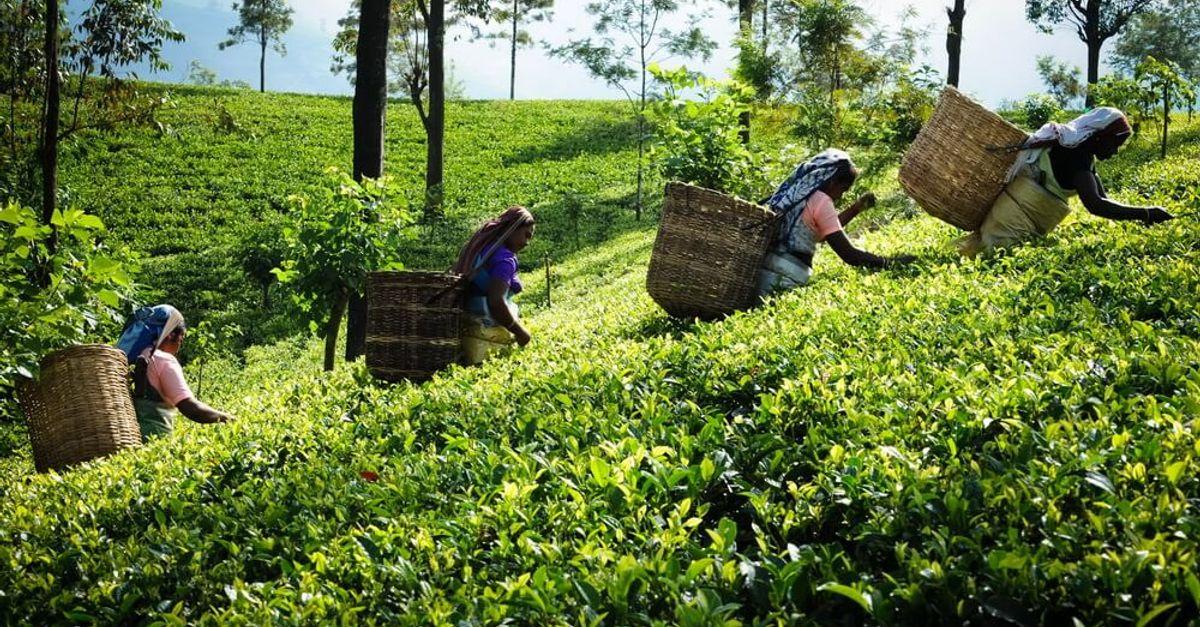
High Grown tea production in Sri Lanka dropped to its lowest monthly level in 34 years during August 2026, falling to 3.1 million kilograms due to persistent overcast skies and excessive rainfall.
Preliminary figures released by the Sri Lanka Tea Board and reported by Asia Siyaka Commodities PLC confirm that August's High Grown output is the lowest recorded in any single month since the landmark El Niño year of 1992.
The sharp 15.8% year-on-year contraction in High Grown harvests pushed total national tea output down by 3.7%, falling from 19.7 million kilograms in August 2025 to 18.9 million kilograms this year. Medium Grown estates also registered a steep 14% decline, dropping from 3.2 million kilograms to 2.7 million kilograms. The overall decline was partially mitigated by Low Grown production, which increased from 12.7 million kilograms to 13.1 million kilograms.
Industry analysts noted that while the 1992 crisis, when High Grown monthly production fell to a record 2.2 million kilograms in April, was caused by a severe early-year drought that left 46% of the island with less than 10% of normal rainfall, the August 2026 slump was driven by opposite weather extremes. However, Siyaka Research warned that drought risks could re-emerge soon, referencing Meteorological Department forecasts that predict extremely dry and hot conditions in Q1 2027.
For the cumulative eight-month period from January to August 2026, total national tea production stands at 172.2 million kilograms, down from 176.9 million kilograms during the corresponding period in 2025. Despite August's sharp dip, cumulative High Grown output remains marginally ahead of last year at 38.3 million kilograms (versus 38.1 million kilograms in 2025). Cumulative Medium Grown production declined 6% to 30.4 million kilograms, while Low Grown production dropped nearly 3% to 103.3 million kilograms.
In terms of processing methods, year-to-date Orthodox tea production declined by approximately 3%, whereas CTC (Crush, Tear, Curl) production grew by nearly 7% and Green Tea output expanded by 8%.
Source: Ada Derana