Minister urges entrepreneurs to register for VAT and comply with laws for growth
· Sri Lanka
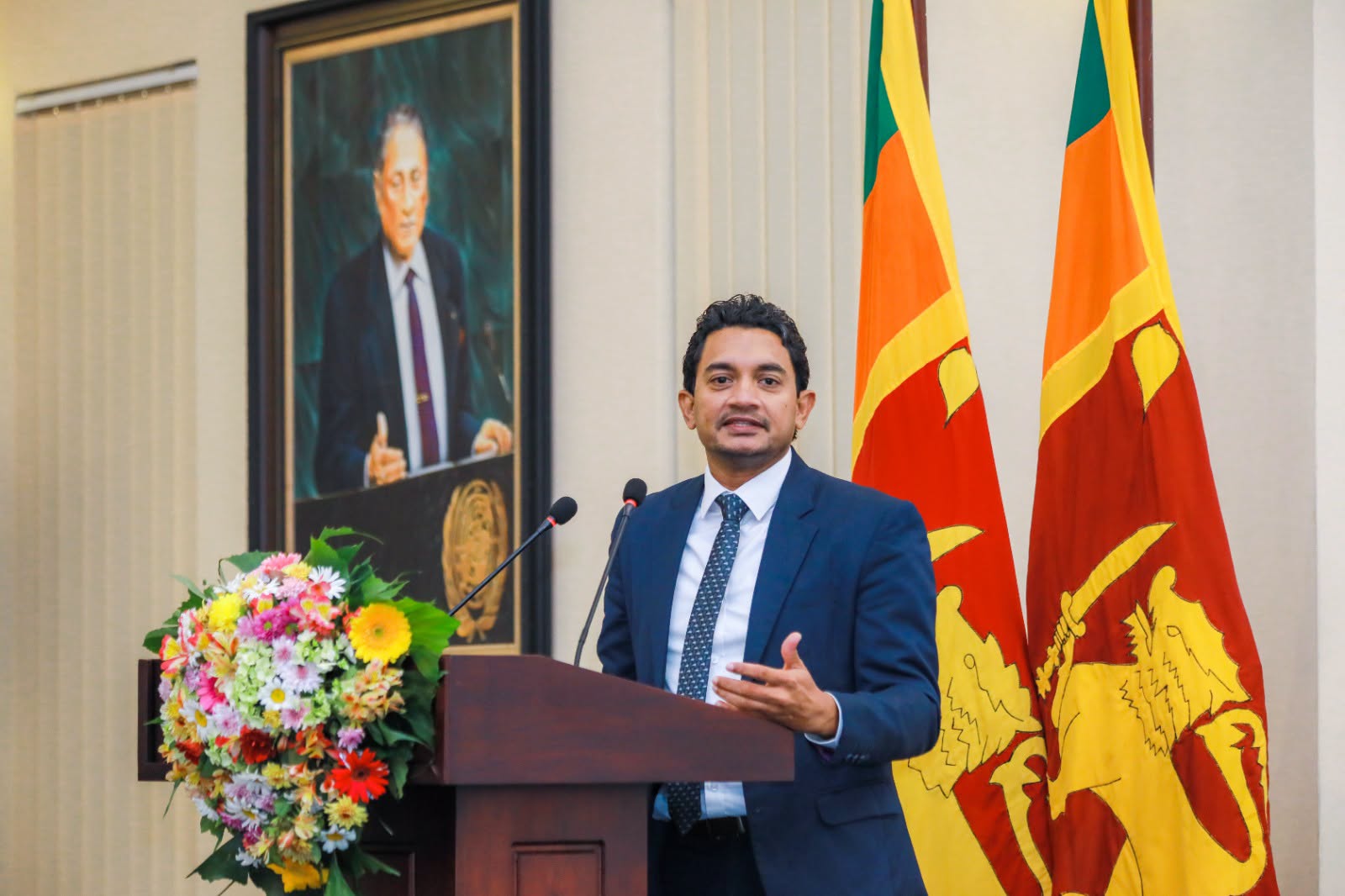
Deputy Minister of Industries and Entrepreneurship, Chathuranga Abeysinghe, has called on Sri Lankan entrepreneurs to adopt VAT registration and comply with statutory requirements, highlighting that formalisation is a crucial step toward building strong and sustainable businesses.
In his remarks, the Deputy Minister stressed that entrepreneurs should aim high and develop ventures capable of competing on a global scale while creating meaningful economic impact. He noted that while some individuals operate livelihood-based businesses focused on maintaining steady incomes, those with growth ambitions must take deliberate steps toward formal business practices.
Abeysinghe emphasized that registering for VAT and adhering to legal obligations—regardless of minimum thresholds—can significantly enhance a company’s credibility and operational strength. Formalisation, he explained, encourages proper financial record-keeping, promotes the use of professional expertise, and improves access to financing and investment opportunities.
He further pointed out a key financial disadvantage faced by unregistered businesses: the inability to reclaim VAT paid on essential purchases such as raw materials, machinery, and imported goods. This, he said, ultimately increases operational costs and reduces competitiveness.
The Deputy Minister also warned against informal practices within supply chains, stressing that all transactions must be supported by valid tax invoices. He clarified that issuing so-called “approval bills” is not legally recognised in Sri Lanka and that stricter enforcement will gradually eliminate such practices.
Acknowledging the challenges ahead, Abeysinghe noted that implementing the new VAT framework will take time and require awareness, education, and support for businesses transitioning into the formal economy. He added that while encouraging growth-oriented enterprises, the government also intends to safeguard smaller, livelihood-based businesses.
He suggested that enterprises generating around Rs. 36 million annually should be treated differently from high-growth businesses aiming for significantly larger revenues and global market integration.
Looking ahead, the Ministry of Industries plans to continue supporting formally registered businesses, helping them expand internationally and strengthening Sri Lanka’s overall business environment. Abeysinghe expressed confidence that with consistent effort and reform, the country can move toward globally competitive standards in the years to come.