Rs 2.47 crore cash deposit in bank, wins case in ITAT
· India
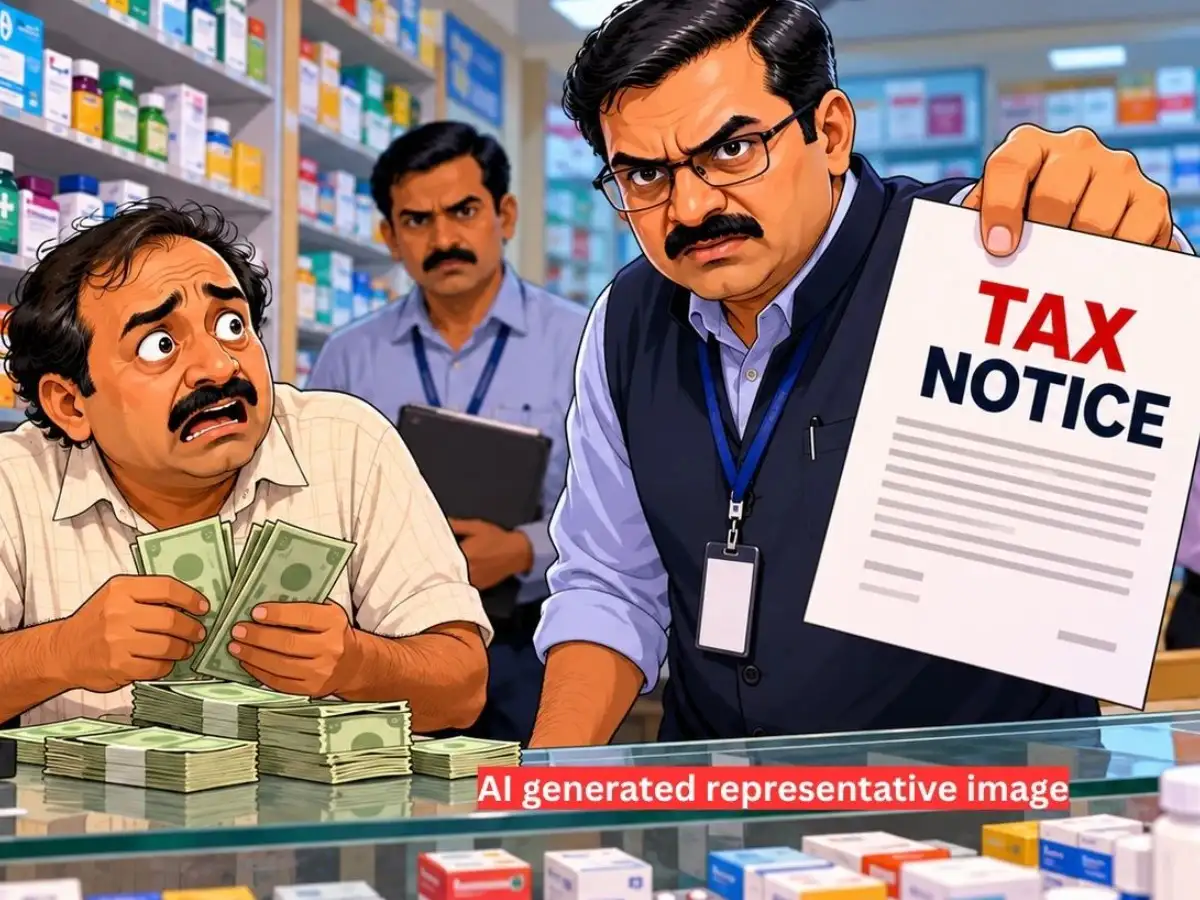
Mr Kumar from Sector 7, Rohini, Delhi has a thriving retail business of pharmaceuticals and medicines. However, when he deposited Rs 2.47 crore cash in his bank account during demonetisation period (November, 2016), he was sent an income tax notice for unexplained cash.
The thing is Kumar had three savings bank accounts with Oriental Bank of Commerce and the cash deposited in all of these bank accounts represented his family's personal savings and cash sales. So, Kumar tried his best to make the Income Tax Department understand that this cash is from his medicine shop sales and it is fully explained in his books of accounts. To support his story, Kumar submitted the audited balance sheet, VAT returns and sample sales invoices.
However, the Income Tax Assessing Officer (AO) rejected Kumar’s explanation, observing that expenses shown in the profit and loss account were not reflected as corresponding bank debits and that salary and bonus had allegedly not been paid regularly. The Commisioner of Appels (CIT A) confirmed the AO’s action and rejected Kumar’s explanation, thus he filed an appeal in Income Tax Appelalte Tribunal (ITAT) Delhi.
After a long legal fight, Kumar won the case in ITAT Delhi on July 7, 2026. Chartered Accountant Naman Singla had represented him before ITAT Delhi. Case no: 2746/Del/2026.
How did Kumar win the case?Chartered Accountant Ashish Niraj, Partner, A S N & Company, said to ET Wealth Online that at the time of scrutiny of demonetisation period cash transactions , income tax officials were watching each cash transaction with suspicious view and onus was on taxpayer to establish its genuity.
Niraj says that in Kumar's casehe had furnished complete bank statements, VAT returns and complete financials with required supporting documents. However, all of these evidence were not rejected by AO and CIT (A) so ITAT Delhi accepted the books of accounts and evidences submitted by Kumar.
Niraj says that the ITAT Delhi tax tribunal was
satisfied with documents furnished by Kumar and believed that he is able to prove cash withdrawals, personal savings and personals savings of family members deposited, hence appeal was allowed.
Niraj says: "This judgement gives learning that even if you have done cash transactions in crores, if supporting documents are properly kept, negative assessment can be challenged and won.”
ITAT Delhi discussionIncome Tax Dept could not counter the evidenceThe ITAT Delhi tax tribunal observed that Kumar has submitted his financial statement, balance sheet, profit and loss account statement, bank statements and VAT returns and also submitted his sample bills to prove that the cash sales is out of the stock and this is the same cash deposited by him in his bank account.
ITAT Delhi observed that neither the AO nor the CIT (A) could find any defect in the evidence and documents submitted by Kumar and neither of the authorities have rejected his books of accounts under Section 145.
Thus ITAT Delhi ruled that the cash deposited by Kumar is directly corelatable with the cash sales made during the demonetisation period as he is engaged in the business of retail of pharmaceuticals and medicines.
Cash withdrawal also stands explainedITAT Delhi observed that the cash withdrawals made from Kumar’s bank account stood explained as these withdrawals were made from family savings and Kumar proved it via his account statement also.
The ITAT Delhi observe that the family members had Rs 72 lakh savings and Kumar himself had saved Rs 2.46 lakh and all of these facts are proved via Kumar’s statement as well as documents submitted by his family members. For example: Kumar’s brother’s wife had saved Rs 15 lakh and she submitted her ITR copy.
RelationshipCash giftKumar’s brother’s wifeRs 15 lakhKumar’s wifeRs 16 lakhKumar’s brotherRs 14 lakhKumar’s sonRs 13 lakhKumar’s daughterRs 14 lakhSource: ITAT Delhi submissionsITAT Delhi observed that the CIT (A) simply brushed aside and rejected Kumar’s explanation without any cogent reason.
ITAT Delhi orderITAT Delhi said that Kumar is able to prove the cash withdrawals, his personal savings and personal savings of his family members with help of the bank account statements. The ITAT Delhi also said that the AO in his remand report has not negated that any of these documents and evidences are unaccounted for. Even CIT (A) could not negate the evidences filed by Kumar.
ITAT Delhi ruled “We noted that the explanation submitted by the assessee (Kumar) along with evidence regarding the availability of cash is enough to prove the assessee’s claim and we find no infirmity in the same.”Thus Kumar won the case.
Source: Economic Times - Top Stories