Ravi Karunanayake Calls for Targeted Fuel Relief, Export Growth and Economic Reforms
· Sri Lanka
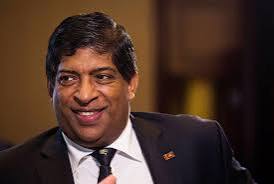
Speaking at a media briefing, Karunanayake said the government should focus on protecting ordinary citizens while allowing foreign companies to purchase fuel at market prices using foreign exchange brought into the country.
“We are not here to protect foreign companies; we are here to protect the people of this country,” he said, stressing that fuel subsidies should not be extended unnecessarily to foreign businesses.
Karunanayake also called for a long-term strategy to expand exports, strengthen the economy and generate sufficient revenue to meet the country's debt obligations. He said rising global oil prices could affect domestic fuel prices, but argued that Sri Lanka should concentrate on increasing export earnings rather than attempting to control international prices domestically.
He cautioned that export growth should be sustained over the long term rather than achieved temporarily. He also argued that increasing tax collection alone would not be sufficient to strengthen the economy, particularly when businesses were facing difficulties.
Instead, he called for policies that would expand exports, support businesses and create conditions for economic growth.
On personal income tax, Karunanayake said he believed the threshold for Pay As You Earn (PAYE) tax should be increased from the existing level of Rs. 150,000 to Rs. 250,000, expressing the view that this would provide greater relief to taxpayers.
He also called for improvements to the country's import and trade infrastructure, including the development of airports and seaports, and urged the government to introduce more substantial reforms in the education sector.
Addressing the country's pension system, Karunanayake warned that the growing cost of pension payments required advance planning. He said the government should prepare for future increases in pension expenditure and develop a sustainable approach to managing these obligations over the coming years.
He also raised concerns over the worsening gas supply situation, saying the government should have prepared for potential disruptions in advance. He noted that the ongoing war had created obstacles to gas supplies, highlighting the need for better contingency planning.
Karunanayake added that exchange-rate fluctuations and rising import costs had posed challenges for successive governments. He said any government must be prepared to manage such uncertainties and limit their impact on consumers.
On the International Monetary Fund (IMF) programme, he clarified that his position was not that Sri Lanka should abandon its engagement with the institution. Instead, he urged the government to take further steps to provide relief to the public while managing the country's economic challenges.
He emphasised that economic policy should balance fiscal responsibilities with measures to ease the financial burden on ordinary people.
Source: Serendib News