Mkhawer: How Emirati women are reimagining traditional fashion
· United Arab Emirates
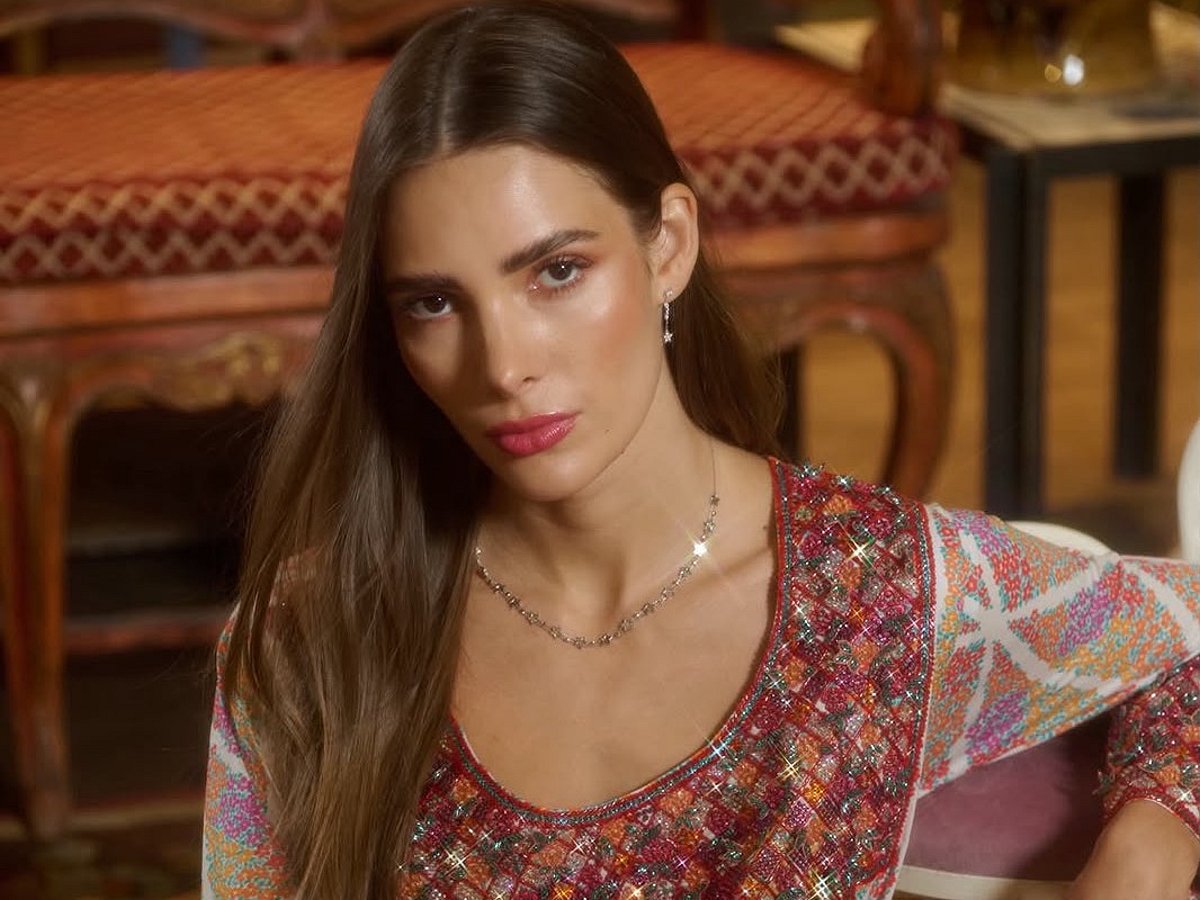
The mkhawer is a traditional Emirati dress worn by women, recognised for its loose, flowing shape and long sleeves. It has long been part of Emirati wardrobes, worn for everyday occasions as well as family gatherings and special occasions.
Passed down through generations, the garment continues to evolve alongside changing fashion preferences. Designers and fabric specialists are experimenting with colours, materials, cuts and embellishments, while retaining the modest silhouette and cultural connection associated with the traditional dress.
For younger Emirati women, this means the mkhawer can feel both familiar and contemporary, offering different ways to wear a garment that remains closely connected to Emirati identity.
Get updated faster and for FREE: Download the Gulf News app now - simply click here.
A tradition passed down through generations
For Emirati designer Amna Alfalahi, founder of fashion brand Versatile, the mkhawer has always been part of everyday life.
“It’s what I wear every day and what has been passed down through many generations. It’s our traditional dress that represents Emirati women,” Amna Alfalahi said in a phone interview with Gulf News.
That connection to family and tradition remains part of why the mkhawer continues to have a place in modern Emirati wardrobes. While its appearance can change from one design to another, its modest silhouette remains a defining part of the garment.
For Amna Alfalahi, starting her own mkhawer business was partly influenced by her experience of looking for designs she wanted to wear herself.
“What inspired me the most was the lack of creativity in local tailors. I felt that I couldn’t find anything that I liked. Everything, to me, was repetitive and was not executed well enough,” Amna Alfalahi said.
That experience encouraged her to explore designs that offer more variety while keeping the traditional form of the mkhawer.
The appearance of a mkhawer can vary depending on its cut, fabric, colour and decoration. While traditional designs remain popular, contemporary versions can include details such as crystals and beads.
For Amna Alfalahi, these additions allow designers to experiment while maintaining the garment’s original character.
“The different cuts and styles, nowadays we can add so much, like crystals and beads. But to me, the original concept stays the same, which is its modesty and elegance,” Amna Alfalahi said.
The result is a garment that can change in appearance without necessarily moving away from the elements that make it recognisable.
The fabric can also change the way a mkhawer looks and feels, from how it falls on the body to how colour, embroidery and embellishments appear.
Somaya Alqubaisi, founder of Hafeez, a business specialising in fabrics for mkhawer, said her interest in the business came from her connection to Emirati culture and traditional fashion.
“I was inspired by my love for Emirati culture and traditional fashion. Mkhawer are such an important part of our identity, and I wanted to offer fabrics that feel traditional but still reflect modern tastes,” Somaya Alqubaisi said.
Alqubaisi also travels to India to personally select fabrics for her business, looking for pieces that are less commonly available in the UAE.
“I also travel to India specifically to choose the fabrics myself because I like bringing very unique pieces that are not easily available here,” Somaya Alqubaisi said.
According to Somaya Alqubaisi, customers are currently showing interest in chiffon, silk, satin, tulle and lightweight cotton.
Fabrics featuring embroidery, gold or silver details and a subtle shine are also among the styles attracting attention.
When choosing a fabric, customers consider both how it looks and how it feels.
“They usually look at the colour, quality, comfort and how the fabric falls when it is worn,” Somaya Alqubaisi said. “They also pay attention to the details, such as patterns and whether the fabric looks elegant and unique.”
Traditional colours meet new combinations
Somaya Alqubaisi has also noticed a wider range of colours and combinations being chosen by customers.
“Customers are becoming more open to different colours and more modern combinations. Alongside traditional colours, we are seeing more pastel shades, bright colours and interesting colour combinations,” she said.
There is also more interest in delicate patterns, subtle shimmer and fabrics that combine traditional elements with a contemporary look.
These changes give women more choice in how they approach the garment, whether they prefer a more traditional design or something that reflects current fashion trends.
Ramadan remains an important period for traditional Emirati clothing, as families and friends gather regularly and women often choose to dress up while maintaining a connection to traditional styles.
“Ramadan is a sacred month where we dress modestly, gather with our friends and family regularly, and love to dress up while still keeping it traditional,” Amna Alfalahi said.
Amna Alfalahi has also noticed that some customers wait until Ramadan to add new pieces to their wardrobes.
“Some clients wait till Ramadan to upgrade their mkhawer collection. They feel like it’s the perfect time for new clothes,” Amna Alfalahi said.
The evolution of the mkhawer does not necessarily mean moving away from its traditional identity. Instead, changes in cuts, fabrics, colours and embellishments are giving designers and customers more ways to interpret the garment.
From designers experimenting with new details to fabric specialists introducing different materials and colour combinations, the mkhawer continues to adapt to the women who wear it.
For a new generation of Emirati women, it remains a connection to tradition while leaving room for individual style.
New Abu Dhabi AI models speak Emirati, transcribe six languages and read Arabic11 Emirati food and agriculture businesses showcased at Global Food Week 2026 in Abu Dhabi
Source: Gulf News - UAE