Joint Opposition Questions Sujeewa Senasinghe’s Remarks on IMF, Submits Letter to Central Bank
· Sri Lanka
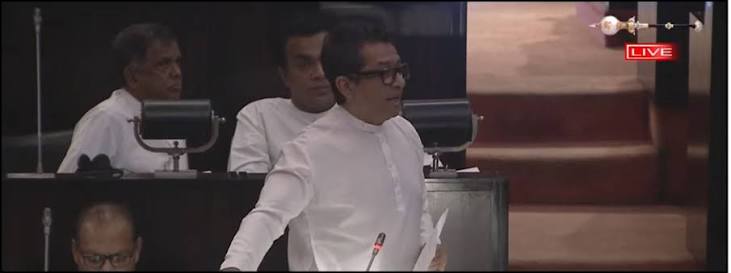
The Joint Opposition has submitted a letter to the International Monetary Fund’s Resident Representative in Sri Lanka, through the Central Bank, seeking attention to remarks made by Samagi Jana Balawegaya (SJB) MP Sujeewa Senasinghe about the IMF.
The move was announced at a media briefing by Joint Opposition Co-Convenor Niluksha Kumara, who criticised Senasinghe’s reported description of the International Monetary Fund as an institution that lends money at excessively high interest rates and contributes to the economic collapse of countries.
Kumara questioned whether Senasinghe’s remarks represented the official position of the SJB, the country’s main opposition party, and called for clarification on the matter.
He said the Joint Opposition had formally submitted a letter to the IMF’s Resident Representative through the Central Bank of Sri Lanka, raising concerns about the statements.
Concerns Over Parliamentary Privileges
Kumara also criticised the use of parliamentary privileges in making statements about international financial institutions, arguing that such remarks could affect Sri Lanka’s reputation.
He questioned whether the comments reflected the broader position of SJB leader Sajith Premadasa and the party, adding that the issue required clarification.
Kumara further criticised the opposition’s approach to parliamentary debate and claimed that the current government was undertaking work that previous administrations had failed to accomplish.
These comments reflect the Joint Opposition’s position on the controversy. The full contents of the letter and any response from the IMF or the SJB were not included in the information provided.
Joint Opposition Member Comments on Government Borrowing
Speaking at the same briefing, Joint Opposition Executive Council Member Udith Lokubandara said the current government had not been forced by outside parties to borrow money, arguing that loans had instead been obtained to meet the country’s financial requirements.
His remarks came amid the wider debate over Sri Lanka’s engagement with the IMF and the role of international borrowing in the country’s economic recovery.
The statements have raised questions about the positions of political parties on the IMF programme and the language used by lawmakers when discussing international financial institutions.
Source: Serendib News