GL Peiris and Patali Champika Ranawaka Warn Proposed Anti-Terrorism Law Could Threaten Democracy and Press Freedom
· Sri Lanka
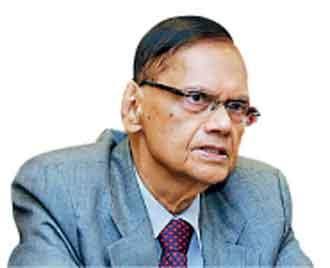
Opposition figures have raised serious concerns over the government’s proposed anti-terrorism legislation, warning that its definition of terrorism could undermine democratic freedoms, restrict media activities and threaten the right to question the authorities.
Speaking at a media briefing organised by the United Opposition, former minister G. L. Peiris described the proposed legislation as extremely destructive and said it could undermine democracy.
Peiris argued that the definition of terrorism in the proposed law was particularly dangerous, claiming that actions intended to exert pressure on the government could potentially be classified as terrorist activities under the legislation.
He also expressed concern about the implications for journalists, stressing that reporting on events and exposing wrongdoing should not be interpreted as providing support for terrorist activities.
Referring to issues such as gas shortages, alleged coal-related corruption, missing shipping containers at the port and missing funds from the Treasury, Peiris said investigative reporting had played an important role in bringing such matters to light.
He warned that the proposed law could make journalists increasingly reluctant to ask questions and investigate issues of public interest.
Ranawaka Questions Government's Confidence in the Public
Former minister Patali Champika Ranawaka also criticised the government's approach, arguing that an administration confident in public support would not need to introduce restrictive laws to strengthen its hold on power.
He suggested that such measures could reflect a lack of confidence in the government's relationship with the public and claimed that both the government and the public were facing growing uncertainty.
Ranawaka questioned the government's handling of several issues, including women's rights, gas shortages and the ongoing fuel crisis.
He also raised concerns over complaints reportedly submitted to the Commission to Investigate Allegations of Bribery or Corruption regarding Rajakaruna, claiming that no investigation had been conducted so far.
Ranawaka further alleged that no investigation had been completed into a power plant-related controversy involving remarks about a monkey and a leap. The precise details of this reference were not clear in the supplied transcript.
He said he intended to pursue allegations of fuel-related fraud in the future and pledged to expose issues surrounding alleged coal-related corruption.
Ranawaka also referred to President Anura Kumara Dissanayake's assertion that the law should apply equally to everyone, questioning whether that principle was being upheld in practice.
The opposition figures' remarks centered on concerns about the proposed anti-terrorism legislation, government accountability, corruption allegations and the potential impact of new legal restrictions on democratic rights and media freedom.
Source: Serendib News