With Just A$200 to Australia’s Highest-Paid CEO: The Remarkable Rise of Shemara Wikramanayake
· Sri Lanka

Shemara Wikramanayake’s journey from arriving in Australia with just around A$200 to becoming the first female CEO of Macquarie Group is a remarkable story of ambition, resilience and leadership.
Shemara was born in England to Sri Lankan parents. Her father, Dr Ranji Wickramanayake, was a medical doctor. When she was just three months old, her parents took her to Sri Lanka, where she spent part of her early childhood with her grandparents. The family subsequently returned to England, but life there was not easy.
Her father struggled to secure permanent employment in the medical profession. Despite his qualifications, he had to undertake temporary medical assignments to support the family. The financial difficulties became considerable. At one stage, the family lived in a one-bedroom flat, with her mother sharing a bed with the three children while her father slept on a couch as he searched for work.
Shemara later spoke about this period in an interview with the University of New South Wales. Importantly, she explained that the detail about her father sleeping on the couch came from her sister, as she herself was too young to remember it.
The family eventually decided to move to Australia where she continued her education before earning Bachelor of Commerce and Bachelor of Laws degrees from the University of New South Wales. She later completed the Advanced Management Program at Harvard Business School. In 1975, they arrived in Sydney with their possessions and reportedly just A$200 in cash. Her father later described the experience as having to start life again after losing everything.
For a family that had previously enjoyed a relatively privileged life in Sri Lanka, the change in circumstances was significant. They had to rebuild their lives in an unfamiliar country, establish financial stability and create new opportunities for their children.
Her professional career began in law before she joined Macquarie in 1987. Over the following decades, she built an international career within the financial services group, working across six countries and several business areas. She established Macquarie’s corporate advisory offices in New Zealand, Hong Kong and Malaysia and helped develop its infrastructure funds management business in the United States and Canada.
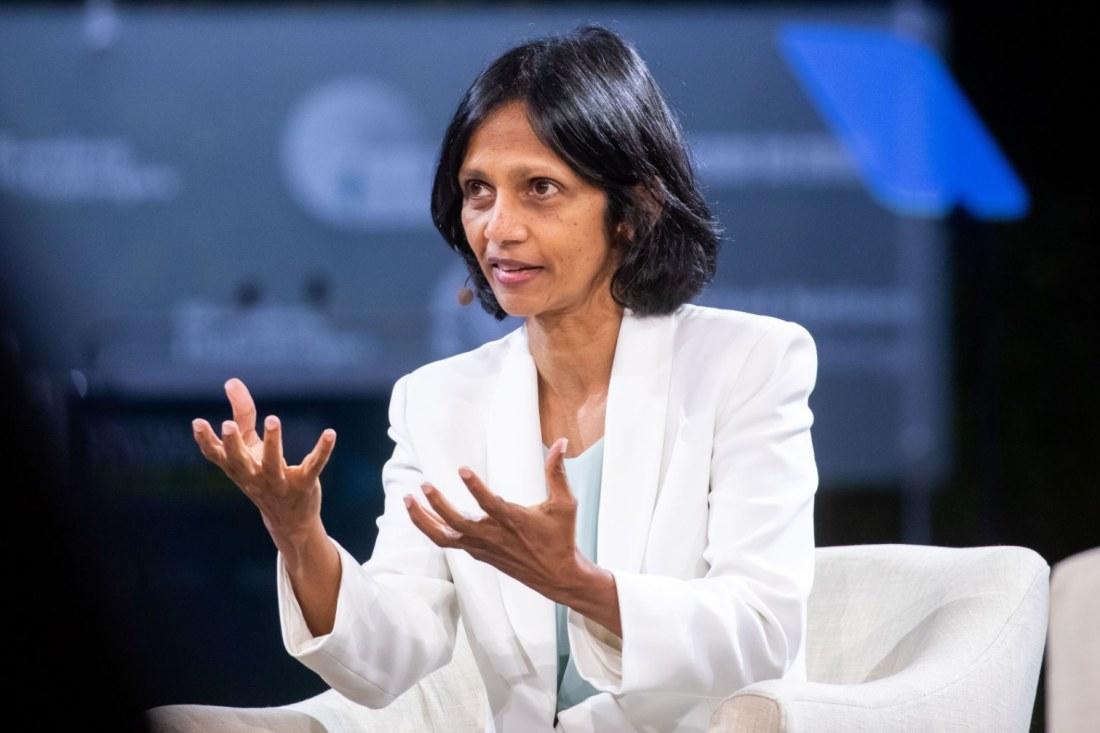
Before becoming CEO, Wikramanayake spent a decade leading Macquarie Asset Management. Under her leadership, the business developed into a major global manager of infrastructure, real assets and public securities. In December 2018, she succeeded Nicholas Moore as Managing Director and CEO, becoming Macquarie Group’s first woman to hold the position.
Her achievements have extended beyond corporate leadership. She has been involved in international climate-finance initiatives and has advocated for greater investment in renewable energy and climate adaptation.
Her rise also brought historic recognition. In 2019, she became the first woman to lead Macquarie Group one of Australia’s Top financial group as the CEO, while Forbes subsequently included her among the world’s most powerful women.
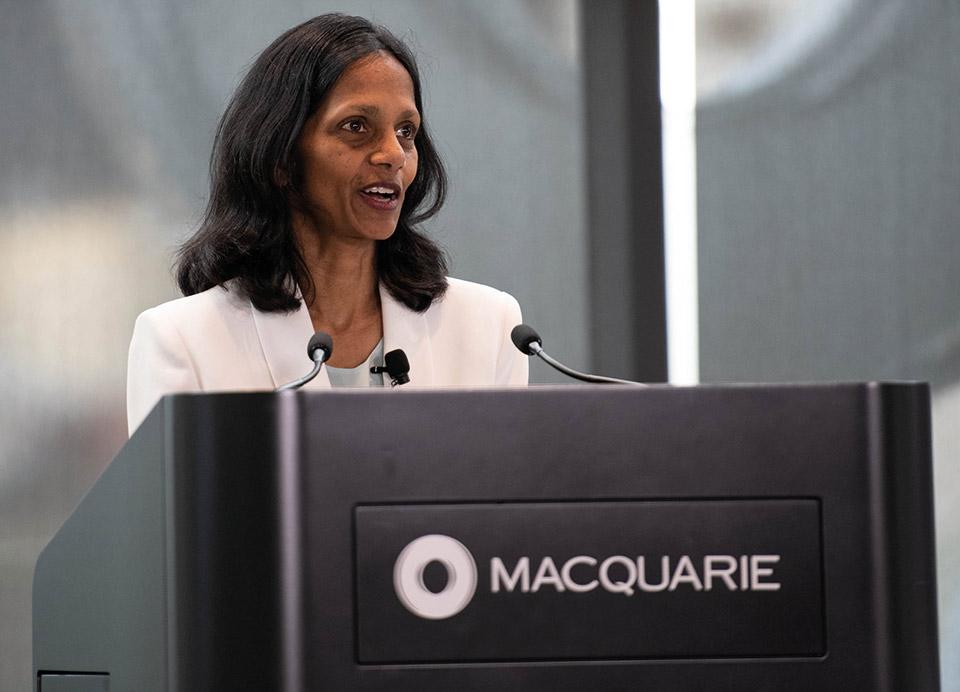
A Remarkable 40-Year Journey Comes to a Close
In July 2026, Macquarie announced that Shemara would retire in November. On 6 November 2026, she officially stepped down after almost 39 years with the organisation, including eight years as its CEO. Greg Ward, a long-serving Macquarie executive, succeeded her.
Her departure marked the end of an extraordinary professional journey.
Consider the transformation. In 1987, she joined Macquarie as an investment banking professional in Sydney. Over the following decades, she helped establish businesses in international markets, developed investment operations, led a major global asset management division and eventually became responsible for the entire group.
She experienced different roles, countries, business environments and levels of responsibility without losing her connection to the organisation. Her journey also highlights the value of developing leadership talent internally. She had spent decades learning the organisation and progressively taking on more responsibility before being entrusted with its overall leadership.
When she retired, she left behind an organisation with a substantially expanded global platform. For someone whose family had once needed to rebuild its life in a new country with very limited financial resources, the journey represents a remarkable story of perseverance, opportunity and professional achievement.
From a young migrant arriving with limited resources to leading one of Australia’s most prominent financial institutions, Wikramanayake’s story stands as an inspiring example of how determination, education and long-term leadership can reshape a career.