Why Colombo flooded within hours: Met Department explains
· Sri Lanka
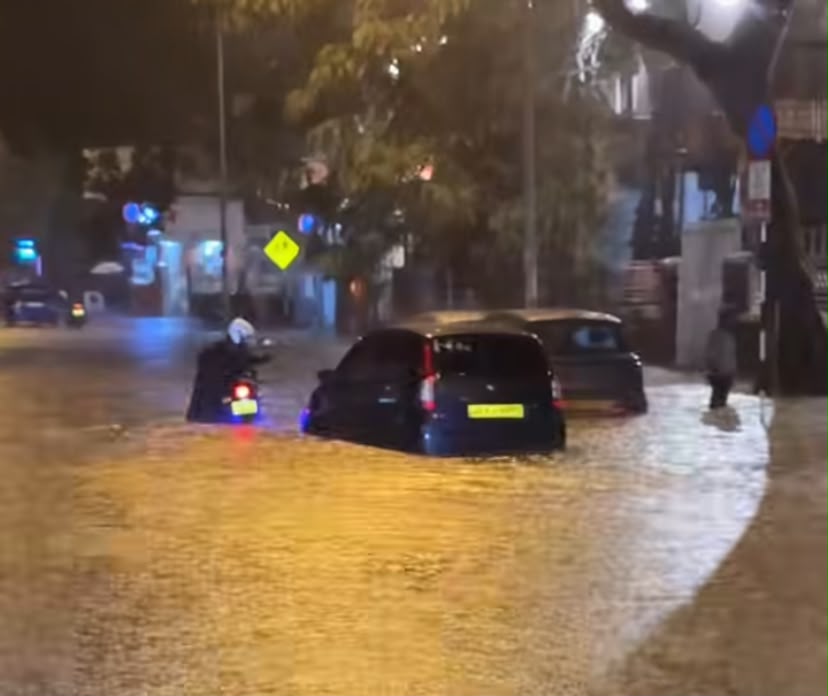
The Department of Meteorology has attributed the sudden flooding experienced in Colombo to exceptionally intense rainfall within a short period, combined with blocked drainage systems that prevented rainwater from flowing away quickly.
Director General of Meteorology Ajith Wijemanna said several atmospheric conditions contributed to the heavy rainfall, including the Intertropical Convergence Zone (ITCZ), where winds from the Northern and Southern Hemispheres meet, and the prevailing second inter-monsoon conditions.
He explained that these weather patterns created favourable conditions for intense afternoon thunderstorms.
According to Wijemanna, rainfall intensity in Colombo exceeded 120 millimetres per hour, while the Mattakkuliya area experienced rainfall at an intensity exceeding 135 millimetres per hour.
He said the unusually high intensity of rainfall over a short period was a major factor behind the flash flooding experienced in several parts of the city.
The Director General also highlighted that blocked drainage systems, including drains obstructed by human activities, had worsened the situation.
He noted that rainwater could not drain away quickly in areas such as Colombo Fort and other urban locations, resulting in temporary flooding.
However, floodwaters receded within approximately two to three hours in several affected areas.
Wijemanna pointed out that Colombo had experienced significantly higher total rainfall during previous extreme weather events, including in 1992,2005, 2017.
He stressed that the key factor behind the latest flooding was not simply the total amount of rainfall but the exceptionally high intensity of rain within a short period, together with drainage obstructions.
The explanation follows heavy rainfall that flooded several roads, disrupted traffic and affected daily activities across Colombo.
Source: Newswire LK