Wajira Abeywardena Criticises 2026 Budget, Says It Lacks a Clear Economic Roadmap for Sri Lanka
· Sri Lanka
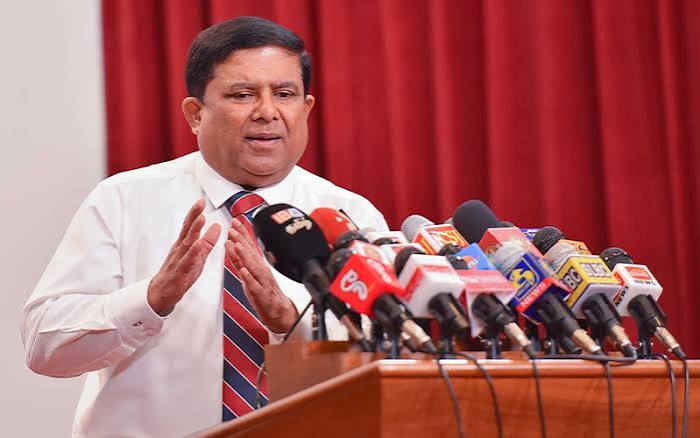
United National Party (UNP) Chairman Wajira Abeywardena has criticised the government's 2026 Budget, claiming that it lacks a clear economic vision, fails to address the employment needs of younger generations and offers no convincing plan to meet the country's future foreign debt obligations.
Speaking on the government's economic proposals, Abeywardena said the budget had failed to introduce meaningful measures to create employment opportunities for young people, particularly those belonging to the Millennial and Generation Z generations.
He pointed out that the world was rapidly advancing through technological development, while Sri Lanka was falling behind in adapting to these changes. He said the budget contained no clear proposals to generate employment through emerging technologies or create opportunities for younger generations in the evolving global economy.
Abeywardena also raised concerns about the country's foreign reserves and future debt repayment obligations. He said Sri Lanka would need to increase its foreign reserves to US$13 billion by 2028, while also facing foreign debt repayments estimated at between US$3.5 billion and US$4 billion that year.
However, he questioned why the government had failed to explain how it intended to meet these repayment commitments.
Referring to Sri Lanka's previous economic crises, Abeywardena said warnings about the country's deteriorating economic situation had been raised as far back as 2001, but successive political leaders had failed to adequately inform the public about the seriousness of the situation.
He argued that the failure to take appropriate action and build political consensus had contributed to the country's subsequent economic difficulties.
Abeywardena recalled that the United National Party-led government, which assumed office on January 8, 2015, introduced a different economic programme, including reductions in the prices of essential commodities such as petrol, diesel and electricity, salary increases and a series of development initiatives that continued until late 2019.
He said the country's economic progress was subsequently undermined, leading to another severe economic crisis by the end of 2020.
He also referred to former President Ranil Wickremesinghe's assumption of the premiership on May 12, 2022, his appointment as Acting President on July 15, and his election as President on July 21 that year.
According to Abeywardena, Wickremesinghe introduced a new economic transformation programme, alongside debt repayment arrangements and diplomatic engagement with the international community, to stabilise the economy and move the country towards recovery.
However, he claimed that the change of government in 2024 had disrupted the economic targets and direction established under the previous administration.
Abeywardena further argued that the current administration's 2026 Budget had failed to present a convincing strategy to achieve the country's long-term economic objectives.
He stressed that Sri Lanka needed a clear national vision, measurable economic targets and a comprehensive development strategy if it was to achieve sustainable progress.
The UNP Chairman said the party would present a more detailed analysis of the government's budget proposals and the country's economic challenges on the following day.
Source: Serendib News