Veterinary Associations Call for Proper Management of Rabies Eradication Programme and Dog Registration Law
· Sri Lanka
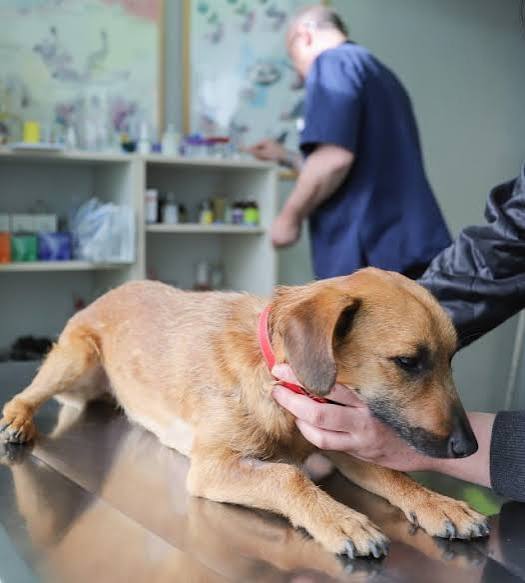
Several veterinary associations have called for proper implementation of Sri Lanka’s rabies eradication programme and raised concerns over proposed changes relating to the registration of dogs.
The Sri Lanka Veterinary Association, Sri Lanka Pet Animal Veterinary Association and Government Veterinary Officers’ Association held a joint media briefing to discuss the two legal provisions relating to rabies control and the registration of dogs.
Chairman of the association, Dr. Chamarika Kannangara, said there are two separate laws relating to rabies control and the registration of dogs, and that the legislation had been introduced following a Supreme Court ruling.
He said the Government was now seeking to implement the two laws together and that discussions had recently taken place regarding the matter, particularly concerning Section 4.
According to Dr. Kannangara, the provision states that dogs may be vaccinated under the supervision of veterinary surgeons.
He stressed that vaccinations administered to animals should be carried out by veterinary professionals with the necessary knowledge and expertise, saying this was the accepted practice internationally.
Veterinarian Dr. Pradeep Kumarawadu rejected claims made recently that the rabies-control programme had suffered a significant decline after responsibility for the programme was transferred from the Ministry of Health to the Department of Animal Production and Health in 2018.
He described such claims as inaccurate and said the Department of Animal Production and Health had been responsible for the programme for only around six months during that period.
Dr. Kumarawadu said approximately one million doses of rabies vaccine had been available in 2018 and questioned what had happened to those vaccines, calling for the matter to be investigated.
Dr. Nuwan Wickramasinghe of the Sri Lanka Pet Animal Veterinary Association also participated in the media briefing.
Representing the Government Veterinary Officers’ Association, Upul Ranjith Kumara said Sri Lanka had the potential to eliminate rabies and was spending a considerable amount of money on rabies-control activities every year.
He said veterinary associations had repeatedly urged successive governments to correct shortcomings in the programme and had requested that responsibility for vaccinating dogs against rabies be entrusted to veterinary professionals.
Kumara said that following pressure from veterinary associations, responsibility for dog vaccination was handed over to them in 2018. He claimed that during the six-month period, veterinary professionals carried out extensive vaccination programmes, sterilisation activities and public awareness campaigns.
However, he said the programme was subsequently taken away from the veterinary sector again.
He further claimed that although the associations had submitted data on the programmes they had conducted to the Ministry of Health on several occasions, the information had not been incorporated into official data.
Kumara described this as a deliberate and planned action.
He said the veterinary associations had now prepared a joint plan to address the issue and stressed that eliminating rabies was their responsibility.
He expressed confidence that Sri Lanka could eradicate rabies from the country within five years, if the proposed programme was properly implemented.
Source: Serendib News