UNP Raises Questions Over IMF Programme, 2028 Debt Repayments and Budget Spending
· Sri Lanka
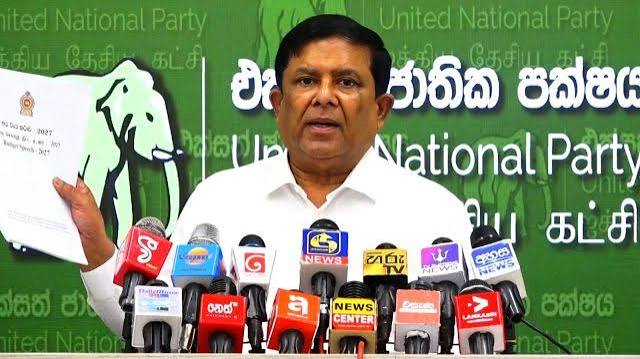
United National Party (UNP) representatives have questioned the government's 2026 Budget, raising concerns over its economic direction, the future of the International Monetary Fund (IMF) programme, public expenditure and Sri Lanka's ability to meet debt repayment obligations from 2028.
Speaking at a media briefing in Colombo, UNP Working Committee member Dinuk Colombage said the budget lacked a clear economic vision and questioned whether the government intended to continue with the IMF programme for a second review period.
He also sought clarification on when the special committee appointed by the President to examine the matter would begin its work.
Colombage further questioned how the government planned to meet its debt repayment obligations from 2028, asking what arrangements were being made to ensure that the country could fulfil those commitments.
Meanwhile, Attorney-at-Law Nipun Samarathunga, another member of the UNP Working Committee, criticised the budget, saying that although it appeared attractive on the surface, it lacked sufficient substance.
He pointed out that the budget contained no clear explanation of the government's position on the IMF programme.
Samarathunga also questioned how funds allocated in the previous budget had been utilised, arguing that there was insufficient information to assess actual expenditure.
Referring to allocations made for recovery efforts following Cyclone Ditwah, he questioned how the funds had been spent and what had happened to the remaining allocations. He alleged that only part of the allocated funding had been utilised, with the balance carried forward into the current budget.
He further questioned why the government was taking steps to borrow more money through the budget despite claiming that government revenue had strengthened and the Treasury was in a healthy position.
Speaking at the same briefing, Pasindu Gunaratne, Chairman of the UNP Youth Front, said the success of a national budget should be assessed by examining how much revenue it generates and whether public expenditure is managed efficiently.
He stressed that a successful budget should create conditions in which citizens and professionals could remain in Sri Lanka and pursue their livelihoods.
Gunaratne said the central question remained whether young people could build the lives they aspired to within the country.
He argued that the current situation was different from the circumstances in 2024, when the country was undergoing economic recovery, and said the conditions under the present administration had changed.
He also expressed concern that many young people were looking to leave Sri Lanka at the earliest opportunity, highlighting what he described as the growing challenge of retaining the country's younger generation.
Source: Serendib News