Sri Lanka’s gender quota changed the numbers. It didn’t change the system.
· Sri Lanka
by Professor Ramona Vijeyarasa (Chair in Gender and the Law at the University of Technology Sydney, Australia)
In the November 2024 parliamentary elections, Harini Amarasuriya won 655,289 preferential votes — the second-highest in Sri Lankan electoral history — and became the country’s first female prime minister in twenty-four years. She is not a widow. She is not a daughter of dynasty. She is an academic, a social anthropologist with a doctorate from Edinburgh, a human rights activist who once marched against the Rajapaksa government when doing so carried real risk. Her ascent to the premiership did not follow the well-worn South Asian script of women inheriting power over the dead bodies of male relatives. It followed a different pathway entirely — one built through scholarship, community organising and feminist conviction. That fact alone should be treated as a signal, not merely a story.
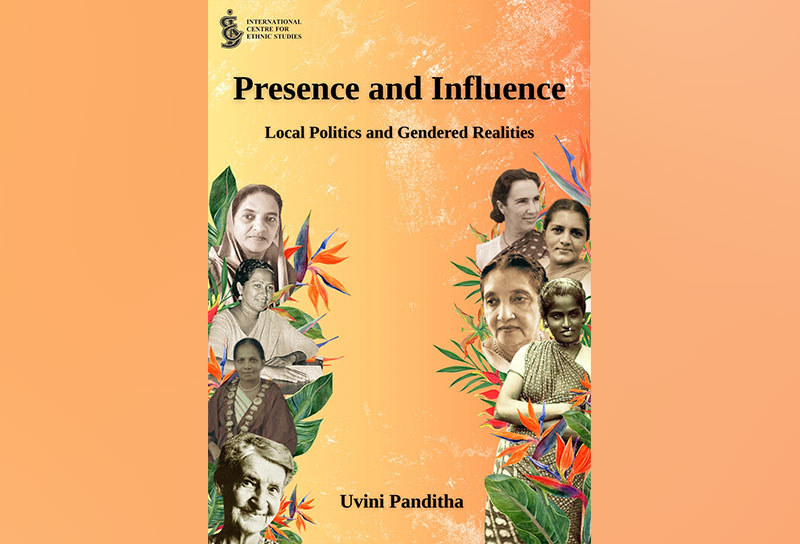
Yet inspiring stories can obscure a more difficult reality. New research by Uvini Panditha at the International Centre for Ethnic Studies examines what happened after Sri Lanka’s landmark local government quota brought around 2,000 women into office. Based on 26 interviews with women councillors across ten districts and 14 interviews with academics, activists and civil society representatives, the study finds that while representation increased dramatically, power often did not.
The findings reinforce what earlier research has shown. In my work on Sri Lanka’s local government quota and a comparative study with Tanya Jakimow, Mario Gomez, Nadine Vanniasinkam, Viyanga Gunasekera and colleagues in Indonesia, we documented the barriers between grassroots activism and elected office: party gatekeeping, tokenism and exclusion from decision-making. Even when women reach executive leadership, as I explored in The Woman President, they bear gendered expectations that male leaders escape.
Sri Lanka has nevertheless moved. The quota raised women’s representation in local government from under two per cent to about 23 per cent in 2018. The 2024 parliamentary election also produced the country’s highest representation of women to date. These gains matter. But Panditha’s study shows how institutions can comply with a quota while preserving the power structures beneath it.
The report Presence and Influence: Local Politics and Gendered Realities is available at the International Centre for Ethnic Studies (ICES), 02 Kynsey Terrace, Colombo 08, in English, Sinhala and Tamil. E-copies of the report are available at www.ices.lk
Source: The Island - Business