Sri Lankan-born Scientist Leads Global Breakthrough in Lung Cancer Treatment
· Australia
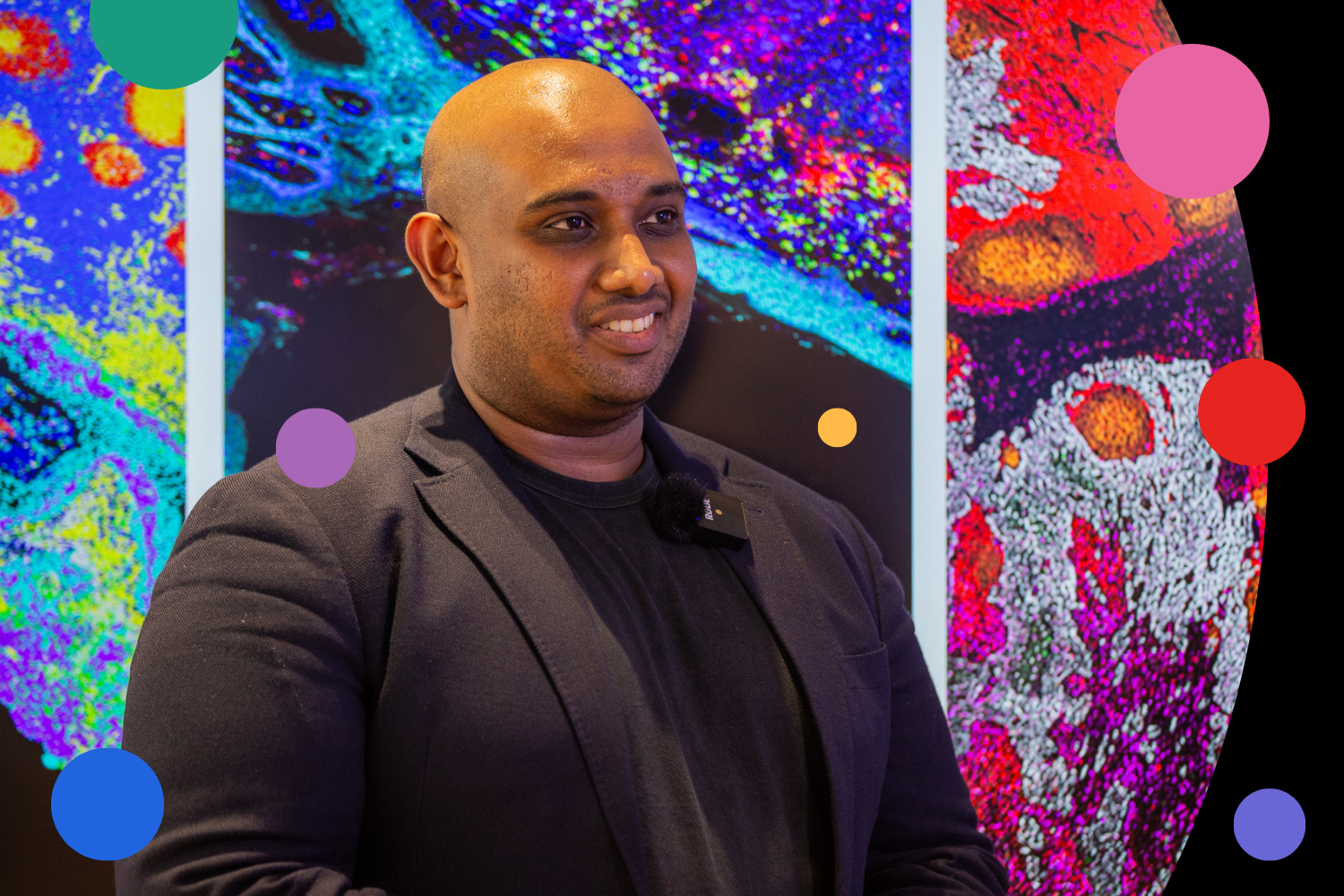
Sri Lankan-born researcher Associate Professor Arutha Kulasinghe from the University of Queensland (UQ), Australia, has led a major international research initiative that could significantly transform lung cancer diagnosis and treatment worldwide.
The study brings together cutting-edge advanced microscopy, artificial intelligence (AI), and computational biology to better understand how lung cancer behaves at a microscopic level. Researchers analysed lung cancer biopsies collected across Australia, the United States, and Europe, creating one of the most detailed cellular maps of tumours to date.
🔬 Mapping lung cancer cell by cell
Using high-resolution imaging and spatial biology techniques, the research team mapped tumours cell by cell, allowing scientists to observe how cancer cells interact with surrounding immune cells inside the body.
This approach provides a deeper understanding of the tumour microenvironment—specifically how immune cells either attack or fail to attack cancer cells, which plays a crucial role in disease progression.
🤖 AI-driven insights into immunotherapy response
A key highlight of the study is the use of artificial intelligence and computational analysis to interpret complex biological data. By analysing patterns in tumour-immune interactions, the system can help identify which patients are more likely to respond to immunotherapy treatments.
This is a major step forward in precision medicine, as it enables doctors to better tailor treatments to individual patients rather than using a one-size-fits-all approach.
💊 Improving personalised cancer care
The findings are expected to improve personalised cancer treatment, reducing unnecessary or ineffective therapies and minimizing treatment-related side effects.
By predicting patient response more accurately, clinicians can make more informed decisions, improving survival outcomes and quality of life for lung cancer patients.
🌍 Global collaboration in cancer research
The project reflects a strong international collaboration between leading research institutions across three continents. It also highlights Australia’s growing role as a global hub for spatial biology and cancer innovation.
🧬 A step forward in cancer precision medicine
Experts say this research could pave the way for similar breakthroughs in other cancers, as spatial biology and AI continue to reshape how diseases are understood and treated at a cellular level.
Associate Professor Kulasinghe’s work is being widely recognized as a significant contribution to the future of precision oncology, where treatment strategies are guided by detailed biological mapping of each patient’s tumour.