Sri Lanka Reports Rising HIV and Sexually Transmitted Infections, Specialists Warn
· Sri Lanka
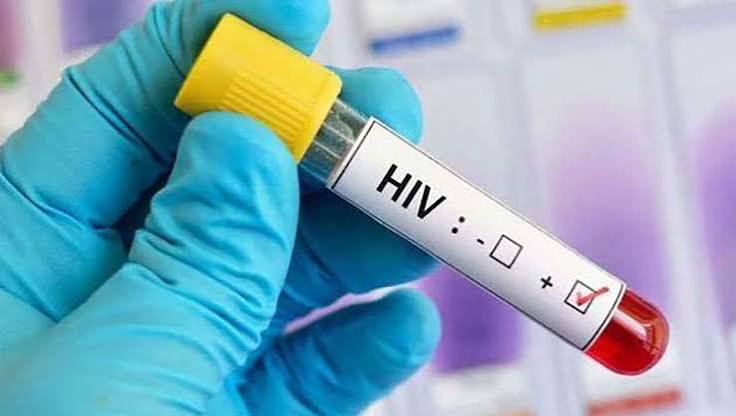
Medical specialists have raised concerns over an increase in HIV infections and other sexually transmitted infections (STIs) in Sri Lanka, urging swift action to contain the growing public health challenge.
The concerns were highlighted at a media briefing held on October 14, ahead of the 31st Annual Academic Sessions and Congress of the Sri Lanka College of Sexual Health and HIV Medicine.
The event focused on developments in sexual health and HIV medicine, innovation for the future, and current trends in sexually transmitted infections and HIV/AIDS.
The media briefing was attended by Dr. Nimali Jayasuriya, President of the College and a specialist in sexually transmitted infections; Dr. Prageeth Premadasa; and Dr. Lilani Rajapaksha.
The annual academic sessions and congress are scheduled to take place from October 29 to 31 at the ITC hotel in Galle Face, Colombo.
HIV Cases Raise Concern
Dr. Nimali Jayasuriya said HIV infections had increased unexpectedly and stressed the urgent need to bring the situation under control.
She noted that Sri Lanka had received recognition from the World Health Organization for eliminating mother-to-child transmission of HIV. However, maintaining that achievement had become increasingly challenging.
According to Dr. Jayasuriya, the current reported ratio of HIV cases is approximately seven men for every woman. She also highlighted concerns over congenital syphilis, cases of syphilis among children, and the identification of 16 pregnant women with hepatitis B.
She said the country was experiencing increases in HIV and other sexually transmitted infections, with syphilis and hepatitis emerging as particularly serious concerns.
Although HIV was not a new disease and extensive programmes had previously been implemented to control its spread, Dr. Jayasuriya said progress appeared to have weakened after 2021.
She explained that the COVID-19 pandemic had prevented some patients from attending clinics. An increase in infections became apparent by 2023, and the upward trend was continuing into 2026.
Internet Use, Economic Pressures and Drug Consumption
Dr. Jayasuriya identified several factors that may have contributed to the increase in infections.
She pointed to the growing accessibility of the internet and social media, including dating applications that enable people to find sexual partners.
Economic difficulties were another concern. She said financial pressures had led some women and men to engage in sex work, sometimes under unsafe conditions and for financial reasons.
Drug use was identified as a further risk factor. Dr. Jayasuriya expressed concern about the use of crystal methamphetamine, commonly known as ice, and the increased use of injectable drugs.
She warned that some people who use drugs do not attend HIV clinics, making prevention, testing and treatment more difficult. She also noted an increase in the number of people injecting drugs compared with previous years.
HIV cases were being reported across different age groups, she said, with Colombo showing a particularly pronounced gender disparity in reported infections.
Dr. Jayasuriya cautioned that HIV transmission could spread rapidly among people who inject drugs if they share needles or syringes. Sharing injecting equipment among several people could expose a large number of individuals to infection.
She also referred to approximately 1,500 reported cases of syphilis, particularly among men, and expressed concern that hepatitis B and hepatitis C infections had increased threefold to fourfold. Hepatitis C was being reported particularly among people who use drugs, she added.
The College is preparing a programme to provide two vaccine doses over the course of a year to people identified as being at risk, she said. The briefing did not specify which infection the proposed vaccination programme would target.
HIV Treatment Allows Patients to Lead Normal Lives
Dr. Prageeth Premadasa highlighted advances in HIV treatment, explaining that modern medicines allow people living with HIV to lead normal lives, including getting married and maintaining family relationships.
He said that when treatment successfully suppresses the virus to an undetectable level, HIV is not sexually transmitted. This principle is widely known as “Undetectable = Untransmittable” (U=U).
He emphasised that effective treatment has significantly improved the quality of life of people living with HIV and enabled them to build families without sexually transmitting the virus when the required undetectable status is maintained.
Specialists Call for Urgent Action
Dr. Lilani Rajapaksha said the problem had now been identified and stressed the need for prompt action.
The specialists called attention to the importance of strengthening prevention, early diagnosis, access to treatment and public awareness to address the growing burden of HIV and other sexually transmitted infections in Sri Lanka.
The forthcoming annual academic sessions and congress are expected to provide a platform for medical professionals to discuss developments in sexual health, HIV management and innovative approaches to improving public health outcomes.
Source: Serendib News