Death Penalty Proposal Among Key Measures as Sri Lanka Escalates Fight Against Narcotics Crisis
· Sri Lanka
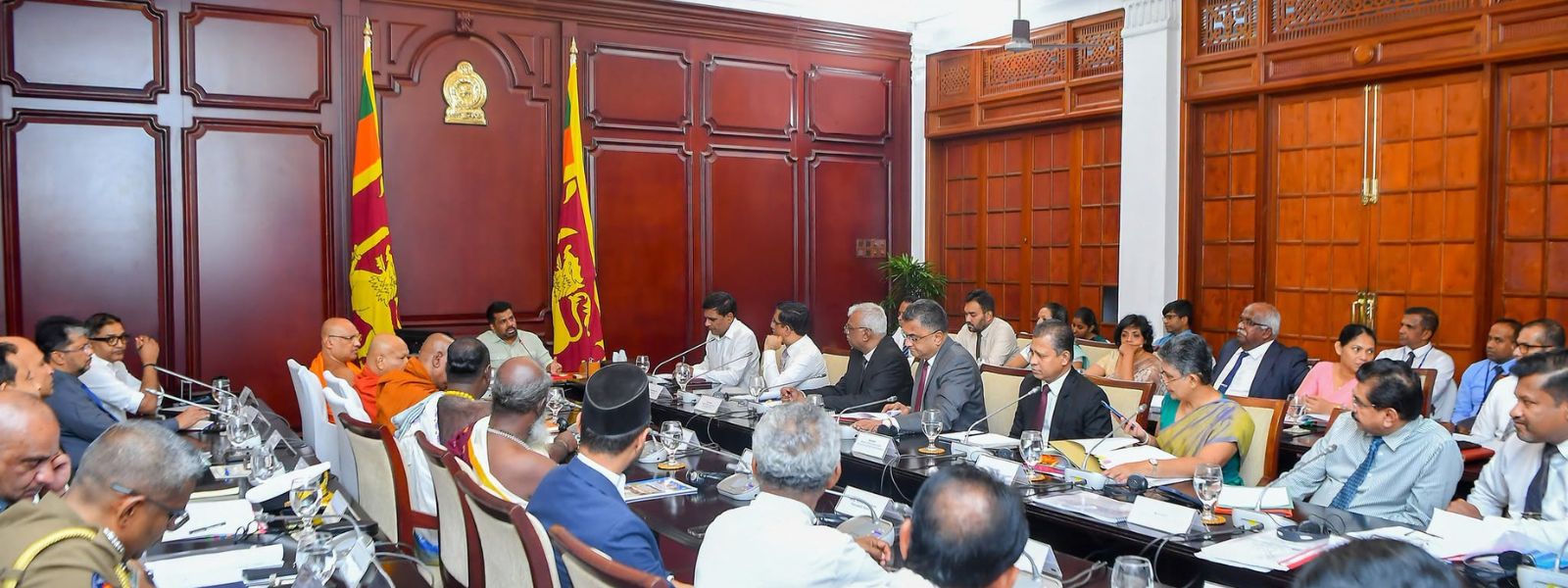
The possibility of introducing the death penalty for drug-related offences was a central topic of discussion at the “Ratama Ekata” National Operations Council, as Sri Lanka intensifies its response to the country’s escalating narcotics crisis.
The high-level meeting, held at the Presidential Secretariat under the patronage of President Anura Kumara Dissanayake, focused on the growing and increasingly complex threat posed by illegal drugs. Officials noted that narcotics are no longer an isolated issue affecting individuals, but a widespread problem impacting the nation’s economic stability, social structure, and overall wellbeing.
Authorities highlighted that the immense profits generated through drug trafficking have given rise to a powerful criminal network. This illicit ecosystem is now seen as a serious threat to key sectors such as the national economy and tourism, while also eroding the country’s moral and social fabric.
During the discussions, emphasis was placed on the urgent need for stricter legal frameworks to deter drug-related crimes and foster a society that firmly rejects narcotics and associated criminal activity. Among the proposals considered was the imposition of capital punishment for serious drug offences, reflecting the government’s increasingly tough stance.
President Dissanayake stressed that eliminating the narcotics menace will require not only strong enforcement but also a significant shift in public attitudes. He called for the active involvement of religious leaders, parents, and community organizations in building a united front against drug abuse and trafficking.
The council was informed that key amendments to existing narcotics laws, including provisions related to bail, have already been drafted and are in the final stages before being gazetted and presented to Parliament.
Efforts to streamline the judicial process were also discussed. Delays in narcotics-related cases—often caused by pending Government Analyst reports—have been significantly reduced. In July alone, 6,414 reports were issued, marking a substantial improvement in efficiency.
To further accelerate legal proceedings, the President instructed officials to introduce a classification system for drug-related offences based on the quantity of narcotics seized, such as categories below five grams and below ten grams. He also directed improved coordination between the Department of Government Analyst, Police, and the Department of Prisons to ensure suspects are promptly produced before courts once reports are finalized.
In addition, measures are underway to enhance the capacity and infrastructure of the Department of Government Analyst, with support from the Sri Lanka Navy. The President also called for the allocation of funds to install advanced surveillance camera systems as part of broader security enhancements.
Prison conditions were another major concern raised during the meeting. Officials reported that recent unrest in prisons—including those in Negombo, Mahara, Magazine, Pallansena, and Kuruwita—has caused property damage exceeding Rs. 255 million.
To address rising tensions within prisons, the council discussed increasing the involvement of psychiatric professionals to help manage and reduce violent behaviour among inmates.
The discussions at the “Ratama Ekata” council reflect a comprehensive and increasingly firm approach by the government to tackle the narcotics crisis—combining legal reform, institutional strengthening, and societal engagement in a bid to safeguard the country’s future.
Source: Newsfirst.lk