SJB Economist Warns of Rising Poverty, Slowing Growth and Youth Unemployment Under 2026 Budget
· Sri Lanka
Samagi Jana Balawegaya (SJB) has raised concerns over Sri Lanka's economic performance under the current government, warning that slowing economic growth, rising poverty, youth unemployment and increasing indirect taxation are placing additional pressure on the public.
Speaking at a media briefing in Colombo on November 13, Professor Prasanna Perera criticised the government's economic policies and questioned whether the 2026 Budget offered sufficient measures to address the country's growing economic and social challenges.
Perera claimed that economic growth had declined from 4.7 per cent to 4.2 per cent. He also referred to inflation figures, stating that inflation stood at 0.5 per cent towards the end of the second quarter of 2024.
He argued that the government had assumed office while the economy was already showing signs of recovery, including an improvement of approximately US$1 billion in foreign reserves, and cautioned against making misleading claims about the country's economic progress.
Commenting on the government's economic growth targets, Perera said President Anura Kumara Dissanayake had referred to a five per cent growth target as part of the country's transition from economic stabilisation to faster growth.
However, he questioned the practicality of achieving a medium-term economic growth rate of seven per cent, arguing that such a target was not sufficiently grounded in economic realities.
The professor also warned that poverty was increasing despite the government's claims of economic progress.
Referring to figures presented by Opposition Leader Sajith Premadasa in Parliament, he claimed that the share of total national income received by the poorest segments of society had declined by 4.6 percentage points, while the share received by wealthier groups had increased.
He further cited World Bank assessments to support his concerns about rising poverty in 2025 and criticised the government's allocation for the Aswesuma welfare programme, claiming that funding had been reduced despite increasing economic hardship.
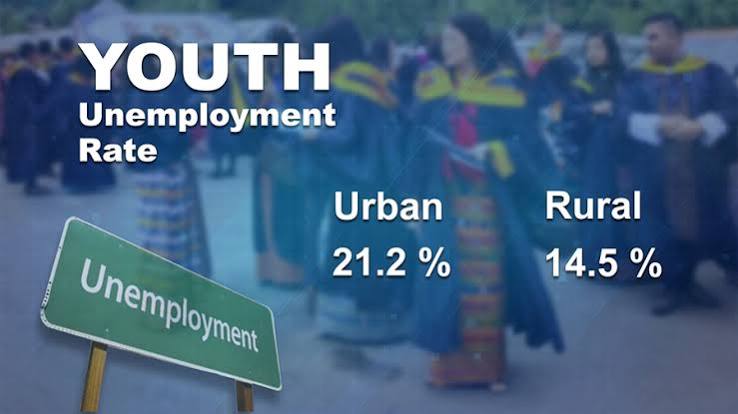
Perera also expressed concern about unemployment among young people, particularly educated graduates. He claimed that approximately 43 per cent of the relevant youth group faced employment-related difficulties and argued that the budget lacked a comprehensive plan to create new employment opportunities.
He warned that growing frustration among educated young people, combined with the rising cost of living, could intensify social pressure and contribute to political instability.
Turning to taxation, Perera referred to page 103 of the budget document, which proposes increasing the annual personal income tax-free threshold from Rs. 1.2 million to Rs. 2.4 million.
He explained that the revised annual threshold of Rs. 2.4 million would be equivalent to Rs. 200,000 per month and called on the government to honour its commitments to the public.
The professor also raised concerns over the departure of skilled professionals, including university academics and doctors, warning that continued migration could weaken the country's human capital and contribute to a brain drain.
He further questioned whether the budget had allocated sufficient funding to support professionals and address their concerns.
On government financing, Perera claimed that approximately 94 per cent of the budget deficit was expected to be financed through non-bank financial institutions, raising concerns about the government's borrowing strategy.
He also criticised the government's agricultural policies, arguing that farmers had not received adequate relief regarding fertiliser-related costs, despite previous commitments.
Concluding his remarks, Perera warned that the continued expansion of indirect taxation was placing a heavier burden on ordinary consumers.
He urged the government to fulfil its commitments to the public and introduce economic policies that prioritise poverty reduction, employment generation, professional retention and improved living standards.
Source: Serendib News