Nepal-Tibet floods add to the world's growing natural disaster economic bill
· World
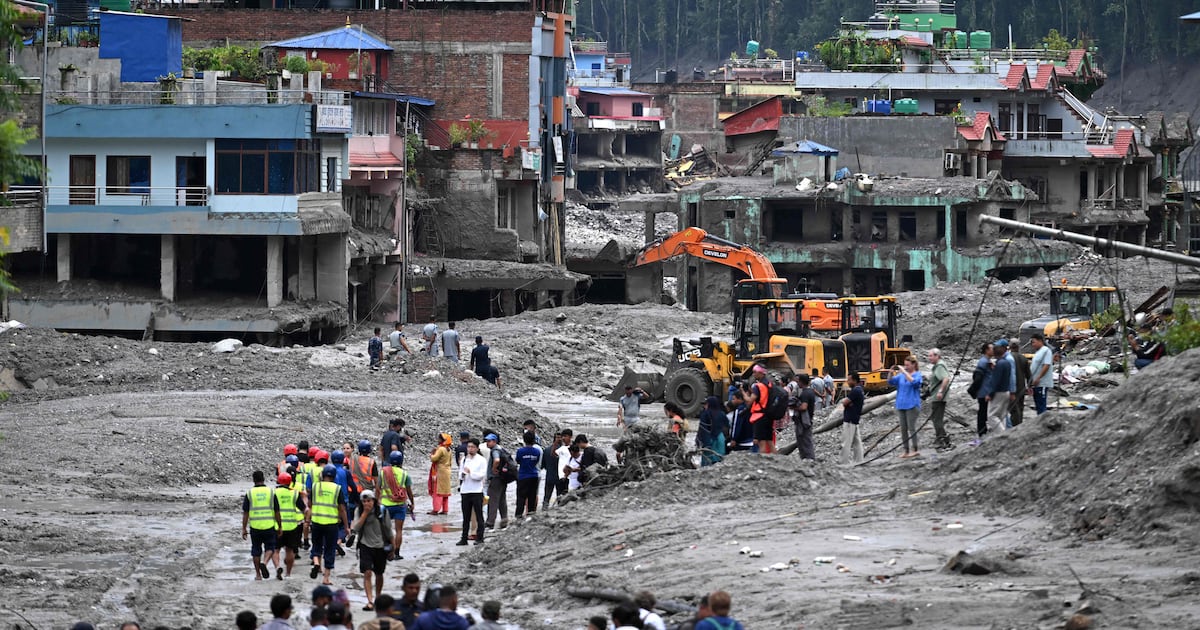
After the devastating Nepal-Tibet floods, the focus on natural disasters in the age of climate change has been further magnified.
These catastrophes are becoming increasingly deadly and their humanitarian and economic costs are growing – with uncertainty continuing to rise.
“Climate change will affect all aspects of human life and the natural world, leading to increasing losses and damages,” analysts at the Organisation for Economic Co-operation and Development said.
“Lives and livelihoods, as well as the socio-economic stability of countries and entire communities are at risk, along with the natural environment on which we all depend.”
This year alone, there have been 48 recorded natural disasters spanning floods, earthquakes, wildfires, typhoons and windstorms, ReliefWeb data shows.
Estimates of economic damage vary depending on what is measured – but they are all stark.
Last year was the costliest so far: disasters added up to about $120 billion in economic costs, according to a report by the UK charity Christian Aid, based on estimates by insurer Aon.
They were led by the Palisades and Eaton wildfires in Los Angeles in January, which racked up economic losses of more than $60 billion, followed by the tropical cyclones that hit Indonesia, Malaysia, Sri Lanka, Thailand and Vietnam, which cost about $25 billion.
The cyclones were made more intense by climate change; they developed over the North Indian Ocean, which was 0.2°C warmer than the historical average from 1991 to 2020 and would have been 1°C cooler without human-caused climate change, analysts at World Weather Attribution and Earth.org said.
“The combination of heavy monsoon rains and climate change is a deadly mix,” said Sarah Kew, a climate researcher at the Royal Netherlands Meteorological Institute and lead author of the study.
“Monsoon rains are normal in this part of the world. What is not normal is the growing intensity of these storms and how they are affecting millions of people and claiming hundreds of lives.”
The Los Angeles wildfires remain the costliest by far. For earthquakes, at the top is the 2011 disaster in Japan's Tohoku province, which also included a tsunami that upwards of $320 billion, while Hurricane Katrina, which hit the US in 2005, is the costliest cyclone, with estimates of more than $200 billion.
A 2024 report from the Paris-based International Chamber of Commerce and Belgian economic consultancy Oxera estimated that extreme weather events cost the global economy about $2 trillion from 2014 to 2023, spanning almost 4,000 disasters that affected 1.6 billion people.
In 2022 and 2023, those damages hit $451 billion, almost a fifth more than the previous eight years combined. A study by insurer Swiss Re estimated that extreme weather caused $145 billion in insured losses last year.
The loss of economic assets is also stark: in the EU, weather and climate-related extremes caused economic losses of assets of about €822 billion ($952.2 billion) from 1980 to 2024, with about a quarter, or more than €208 billion, occurring between 2021 and 2024, the European Environment Agency said.
Analysts at the Massachusetts Institute of Technology's Climate Portal say it is “unfortunately” difficult to pin down the exact or even the estimated cost of climate change's effects on the world economy.
“We don’t know. The risks are severe, and grow worse the longer we wait to address them, but climate scientists and economists are very far from agreeing on an exact dollar cost,” they said.
Source: The National - Business