India's 'Champagne of teas' eyes premium prices
· India
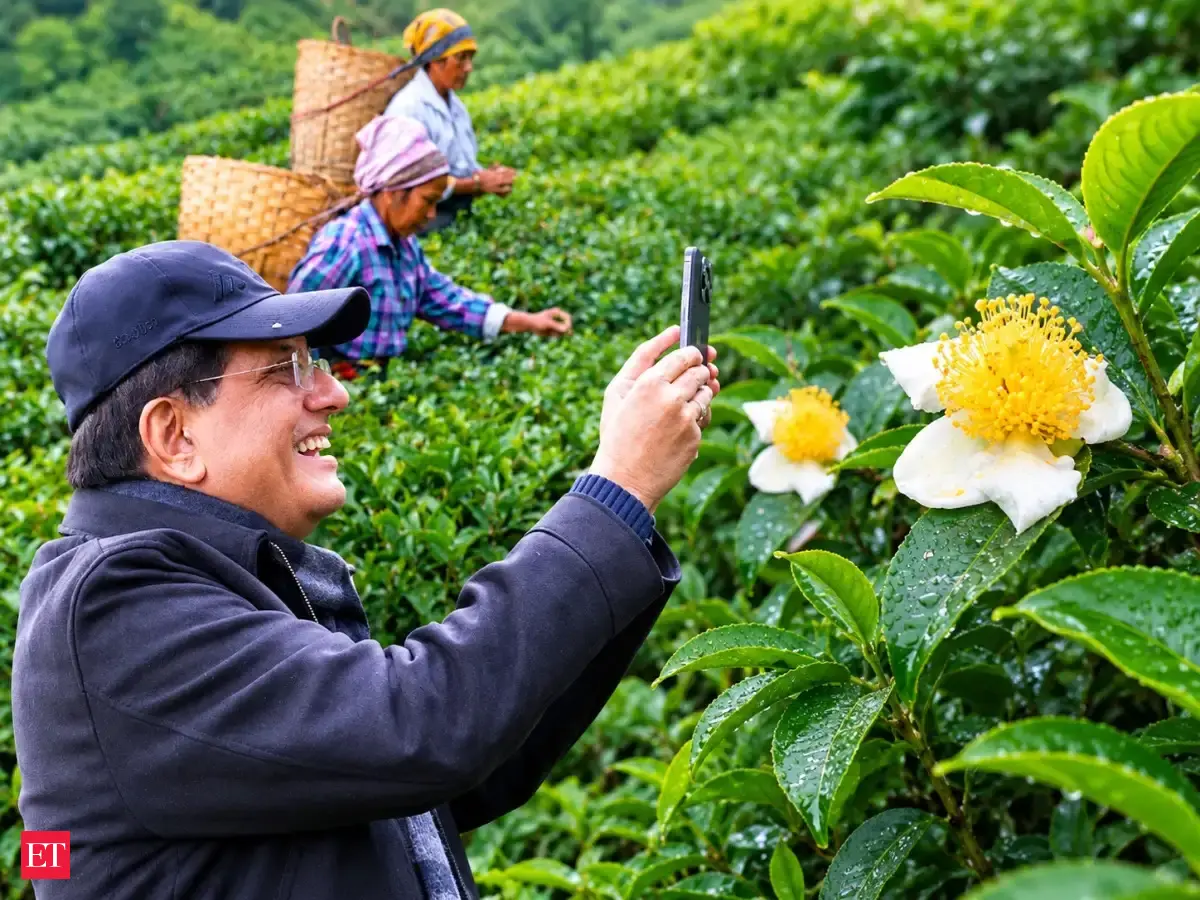
Union Commerce and Industry Minister Piyush Goyal has announced an international marketing campaign to promote Darjeeling tea, along with freight support for exporters, as the Centre looks to improve overseas demand and help the hill region's tea industry secure better prices. The announcements followed consultations with tea industry stakeholders in the Darjeeling hills on Thursday. Speaking in Kurseong, Goyal said the international campaign would be launched under the government's Export Promotion Mission. To increase exports of our tea, so that the tea industry here gets better prices, we are announcing an international level marketing campaign under the exports promotion mission and a decision has been taken on that,
The minister also announced measures to support tea exporters facing high inland freight costs. The proposed assistance is intended to ease transportation expenses and improve the competitiveness of Indian tea in international markets.
he said. Darjeeling tea exports: Centre plans marketing and freight supportGoyal said the government had considered suggestions from tea industry stakeholders during a Chai Pe Charcha session. These included changes to Tea Board processes, measures to improve ease of doing business and steps to increase exports.
According to a report by NDTV Profit, Goyal said decisions had been taken on suggestions concerning the Tea Board and ways to make business processes easier. He also discussed measures that could help expand India's tea exports.
Why Darjeeling tea is known as the 'Champagne of teas'Darjeeling tea is widely marketed as the 'Champagne of teas' because of its distinctive aroma and flavour. It is grown in the Darjeeling and Kalimpong districts of West Bengal, in the foothills of the Himalayas, at elevations generally ranging from 600 to 2,000 metres above sea level.
The tea is made from the Camellia sinensis var. sinensis plant and is known for its distinct characteristics, shaped by the region's climate, altitude and growing conditions.
Darjeeling tea became the first Indian product to receive a geographical indication (GI) tag in 2004. The tag identifies tea produced in designated estates in the Darjeeling and Kalimpong regions, helping distinguish it from tea grown elsewhere.
Although traditionally associated with black tea, estates in the region also produce green, white and oolong varieties.
Four flushes give Darjeeling tea its distinct flavourDarjeeling tea leaves are harvested between March and November, with the picking season divided into four flushes. Each produces tea with different flavour characteristics.
First flush: The first leaves harvested after winter dormancy produce a light, floral tea with a mild astringency. These leaves are also used to make white tea.
Second flush: Harvested after attacks by leafhoppers and the camellia tortrix, these leaves develop the distinctive muscatel aroma associated with Darjeeling tea.
Monsoon flush: The warm and wet conditions lead to rapid leaf growth. The resulting tea is generally less flavourful and is often used in blends.
Autumn flush: These leaves produce tea with characteristics similar to the second flush, but with a more muted flavour.
The region's distinctive growing conditions and established cultivation and processing practices have helped Darjeeling tea build a reputation in international markets.
India's tea exports rise 16% in FY26India is the world's largest producer of black tea and the second-largest tea producer overall, according to Goyal. The country produces several varieties of tea and exports them to markets across the world.
India exported tea worth around Rs 8,718 crore in FY26, marking a 16% year-on-year increase, according to the figures cited in the announcement.
Goyal also stressed the importance of research to improve tea quality and strengthen the industry's position in global markets.
The proposed marketing campaign, freight assistance and measures to protect the Darjeeling GI tag are part of the Centre's broader efforts to support exporters and improve returns for tea producers. Inputs from agencies
Source: Economic Times - Top Stories