G.L. Peiris and Former Chief Justice Sarath N. Silva Criticise Proposed Organised Crime and Anti-Terrorism Bills
· Sri Lanka
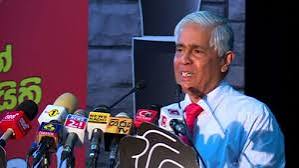
Representatives of the People's United Opposition have raised serious concerns over two proposed pieces of legislation, including the proposed Organised Crime Bill, warning that they could affect fundamental rights, media freedom and Sri Lanka's international commitments.
Speaking at a media briefing, Professor G.L. Peiris described the proposed Organised Crime Bill as one of the most dangerous pieces of legislation introduced in recent times.
He said the two proposed laws could have serious implications and claimed that the United Nations Human Rights Council had strongly criticised them, calling for amendments before they were presented for approval.
Peiris further warned that passing the bills without addressing the concerns could undermine Sri Lanka's international commitments and potentially put the country's GSP+ trade concessions at risk.
He also questioned provisions that he said would allow the Ministry of Defence to ban organisations, restrict freedom of expression and limit public access to court information.
He expressed concern that restrictions on obtaining judicial information could affect journalists and that media organisations could face penalties for reporting on matters covered by the proposed laws.
Peiris also alleged that the legislation would grant excessive powers to police officers, including police constables.
Former Chief Justice Sarath N. Silva, who also addressed the briefing, questioned the wording and structure of the proposed legislation.
He said certain broadly defined terms could potentially be used to label individuals as terrorists, depending on how the provisions were interpreted.
Silva also argued that the provisions were interconnected in a complicated manner, with one clause referring to several others, making the legislation difficult to interpret.
He further raised concerns that the broad wording could allow authorities to rely on various grounds when making arrests.
Both speakers called attention to the potential consequences of the proposed laws and the need to address concerns over their impact on civil liberties and legal safeguards.
Source: Serendib News