Farmers Warn of Fertiliser and Seed Shortages as 2026/27 Maha Season Begi
· Sri Lanka
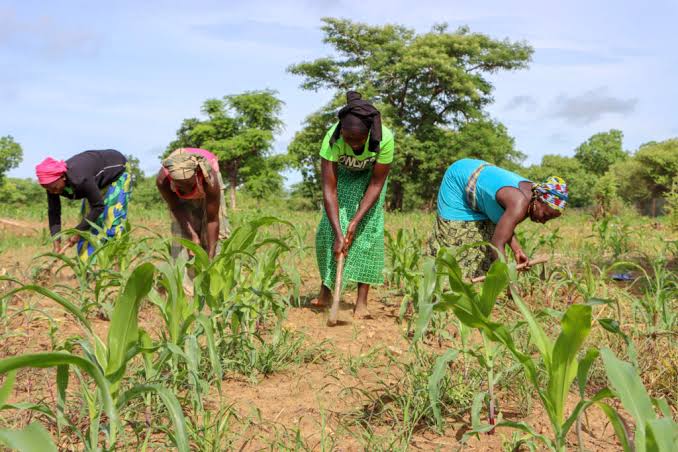
The National Farmers' Collective has warned that farmers could face severe fertiliser and seed shortages during the 2026/27 Maha cultivation season, citing poor agricultural management and discrepancies in official data.
Speaking at a media briefing in Colombo on November 1, the organisation's Chairman, Anura Tennakoon, said cultivation for the Maha season had begun across the country, with approximately 853,000 hectares expected to be cultivated.
Fertiliser requirements and supply concerns
Tennakoon said longstanding disagreements over agricultural data between the Department of Agriculture and the Department of Agrarian Development remained unresolved, making it difficult to accurately calculate the country's actual fertiliser requirements.
He said the Maha season required approximately 8,000 metric tonnes of Triple Super Phosphate (TSP) fertiliser and more than 200,000 metric tonnes of urea for paddy cultivation and supplementary crops, including maize.
According to him, Customs records showed that only limited quantities of fertiliser had been brought into the country between June and October. He also pointed to delays in fertiliser shipments amid conditions affecting the Strait of Hormuz.
Although Cabinet approval had reportedly been granted for the private sector to import 80,000 metric tonnes of fertiliser, he claimed that sufficient stocks were still not available in the country.
He rejected official assurances that fertiliser was available in adequate quantities, claiming that the price of a 50-kilogramme fertiliser bag had risen to as much as Rs. 15,000.
He added that rising diesel prices and shortages of paddy seed had placed farmers in a difficult position even before the beginning of cultivation.
Fertiliser subsidy and compensation payments
Tennakoon called on the Government to credit the Rs. 25,000 fertiliser subsidy to farmers' accounts within the first two weeks of the cultivation season, when the money was most urgently needed.
He also highlighted the difficulties faced by farmers in districts such as Ampara, Anuradhapura and Polonnaruwa, who were still struggling to sell their produce from the previous Yala season.
He further criticised the existing compensation system for crop damage, saying payments were still being calculated under circulars introduced in 2017.
He called for the relevant circulars and compensation amounts to be revised immediately to reflect current production costs and the financial losses suffered by farmers.
Calls for protection of Anuradhapura's sacred heritage
Responding to questions on the recent discussion surrounding the physical development plan for the Anuradhapura Sacred City, Tennakoon stressed that development should take place without damaging historical and archaeological sites.
He said the Atamasthana sacred complex, including the Ruwanwelisaya, represented a central part of Sri Lanka's Buddhist heritage and that all development activities should protect its religious significance and surrounding environment.
He also raised concerns over reported incidents of unauthorised acquisition and reclamation of paddy lands and protected areas around the sacred city.
He called for proper investigations into such incidents, including those allegedly involving politicians, public officials and private individuals, and urged authorities to enforce the Agrarian Development and tank conservation laws.
While acknowledging the Government's efforts to develop the sacred area, he said the physical development plan and relevant gazette notifications should be carefully reviewed, with necessary amendments made where required.
He added that any measures harmful to Buddhism or the surrounding ecosystem should be removed.
Tennakoon emphasised that development should respect Buddhist traditions as well as other religious and cultural values, ensuring that the sacred area remained accessible to the public.
He called for all parties to work together to protect the heritage and religious significance of Anuradhapura, rather than allowing political interests to influence decisions concerning the sacred site.
Source: Serendib News