From Village Struggles to Culinary Greatness: The Inspiring Journey of Dr. Pabilis Silva
· Sri Lanka
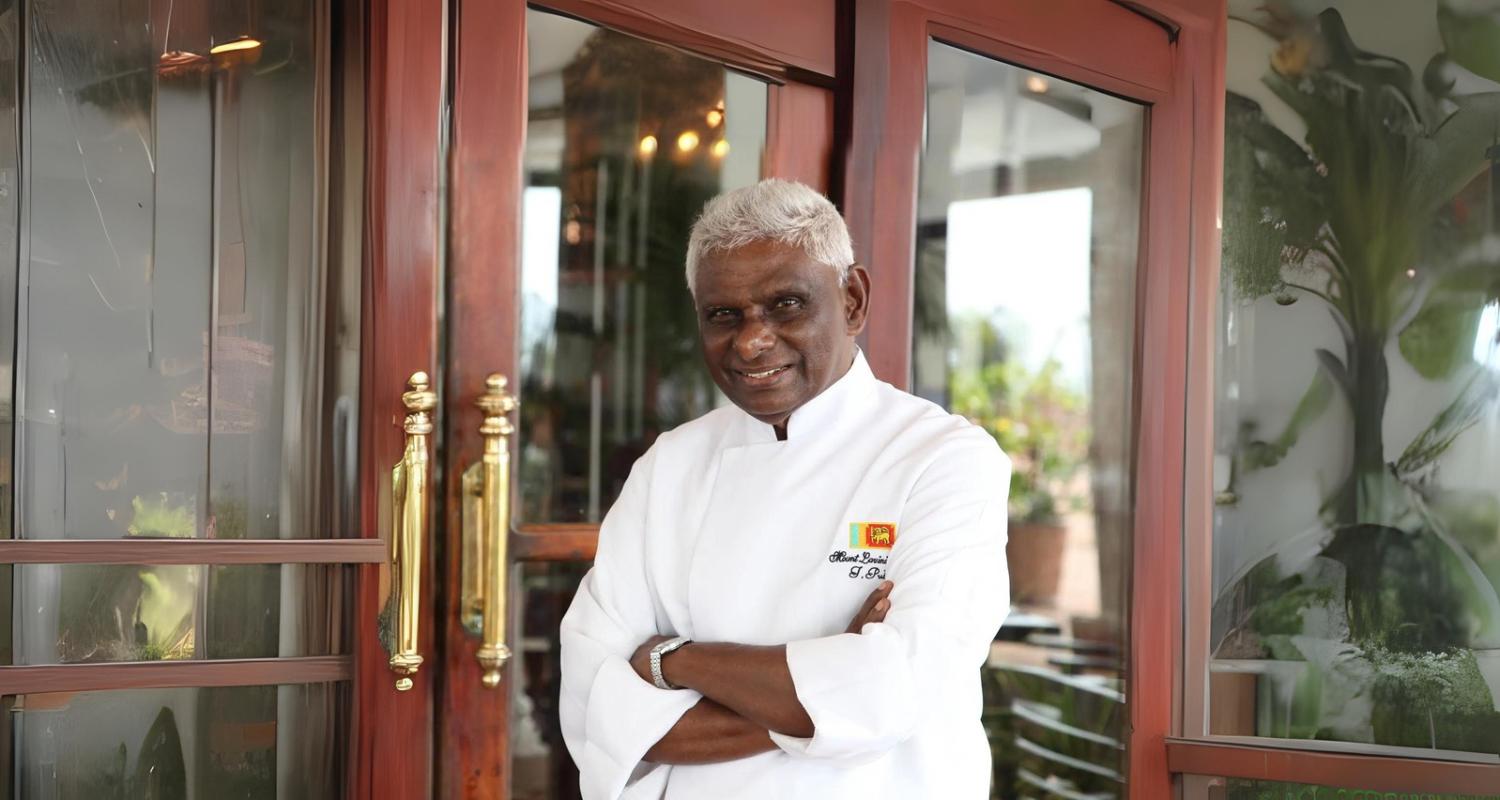
Few stories capture the spirit of determination and resilience quite like that of Dr. Pabilis Silva, one of Sri Lanka’s most celebrated culinary figures. Rising from humble beginnings, he transformed a childhood marked by hardship into a remarkable career dedicated to preserving and promoting the island’s rich food heritage.
Born in Rathgama on April 24, 1937, Pabilis Silva grew up in a family that faced considerable financial difficulties. His parents had little formal education, and from an early age he contributed to the family’s survival by helping his mother sell vegetables at the local market.
He took on whatever work was available, carrying heavy loads, working in shops and even pulling fishing nets. At times, food was scarce, and these difficult experiences shaped the resilience and determination that would define his life.
His formal education did not lead him towards his eventual calling. Instead, he learned through experience, observation and an enduring curiosity about the world around him.
In 1956, he married his childhood sweetheart, Wimalawathi Rajakaruna. The responsibility of supporting his family encouraged him to seek a more stable livelihood. That same year, he joined the Mount Lavinia Hotel as a kitchen coal worker, earning just Rs. 40 a month.
What appeared to be a modest beginning would eventually become the foundation of an extraordinary culinary career.
At the hotel, Silva worked alongside experienced chefs and gradually developed a deep fascination with traditional Sri Lankan food. He became particularly interested in forgotten recipes, indigenous ingredients and the traditional knowledge surrounding local plants and food.
Rather than confining his learning to the hotel kitchen, he travelled throughout Sri Lanka in search of traditional culinary practices, rare fruits, vegetables, edible plants and medicinal herbs.
His research eventually became an important contribution to the preservation of Sri Lanka’s culinary heritage. He documented hundreds of indigenous plants and traditional food practices, helping safeguard knowledge that could otherwise have disappeared with older generations.
His dedication saw him rise through the ranks at the Mount Lavinia Hotel, eventually becoming Chief Chef and later Director of Culinary Affairs and Promotions.
Silva also became a passionate ambassador for Sri Lankan cuisine internationally. He helped introduce authentic Sinhala dishes and traditional cooking methods to audiences beyond the island, demonstrating that Sri Lanka’s indigenous cuisine could earn a place alongside the world’s most respected culinary traditions.
His achievements extended well beyond professional kitchens. He entered the Guinness World Records by creating the world’s largest kiribath (milk rice) and publishing what was recognised as the world’s smallest recipe book.
Another major milestone was the publication of Mahasupavanshaya, an extensive culinary work documenting Sri Lanka’s traditional food culture, indigenous plants and recipes.
In recognition of his outstanding contribution to Sri Lankan culture and culinary heritage, he was honoured with the prestigious Deshabandu national title.
His remarkable life has also been featured in documentaries and educational programmes, while generations of young chefs have drawn inspiration from his knowledge, discipline and passion.
Dr. Pabilis Silva’s journey is ultimately a story about the power of perseverance. He began life as a village boy who knew hardship and hunger, but through curiosity, determination and an extraordinary love for his country's food traditions, he became one of Sri Lanka’s most respected culinary ambassadors.
Through his work, he did more than prepare food. He preserved history, protected traditional knowledge and helped introduce Sri Lankan culinary culture to the world.