Devananda Sooriyaweera Defends Government’s Decision to Hold Talks with Trade Unions
· Sri Lanka
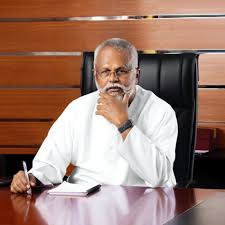
Devananda Sooriyaweera has defended the government's decision to invite trade union representatives for discussions amid growing trade union protests and industrial action.
Responding to questions from journalists about the increasing trade union activity, Sooriyaweera said that retaliation was not part of the government's political approach.
He stated that even after coming to power, the government had not taken action against those who did not vote for the National People's Power (NPP), despite having opportunities to do so based on past political experiences. He emphasised that the movement's objective was to build a prosperous country rather than engage in political retaliation.
Explaining the purpose of President Anura Kumara Dissanayake's decision to invite trade unions for discussions, he said the government wanted to clarify the responsibilities of trade union officials and their members in the broader national effort to rebuild the country.
Sooriyaweera stressed that electing the NPP to power did not mean that every issue could be resolved immediately. He said all citizens, particularly public sector employees, had a responsibility to contribute to national development.
He also highlighted the salary increases and overtime payment adjustments introduced through the government's previous budget, claiming that public servants had received increases beyond what many had anticipated.
Speaking about the latest budget, he said President Anura Kumara Dissanayake, in his capacity as Finance Minister and Head of State, was presenting a financial plan based on a clear national vision, with defined objectives and a long-term direction for the country.
He further questioned why public sector employees had not staged similar protests in 2025 when the government introduced salary increases, arguing that the increases had been determined in line with the country's economic capacity.
Sooriyaweera also alleged that opposition groups that had lost political power were influencing trade union activities and providing support for demonstrations in an attempt to regain their former influence.
Source: Serendib News