AI helps perform brain surgery on British man in world first
· World
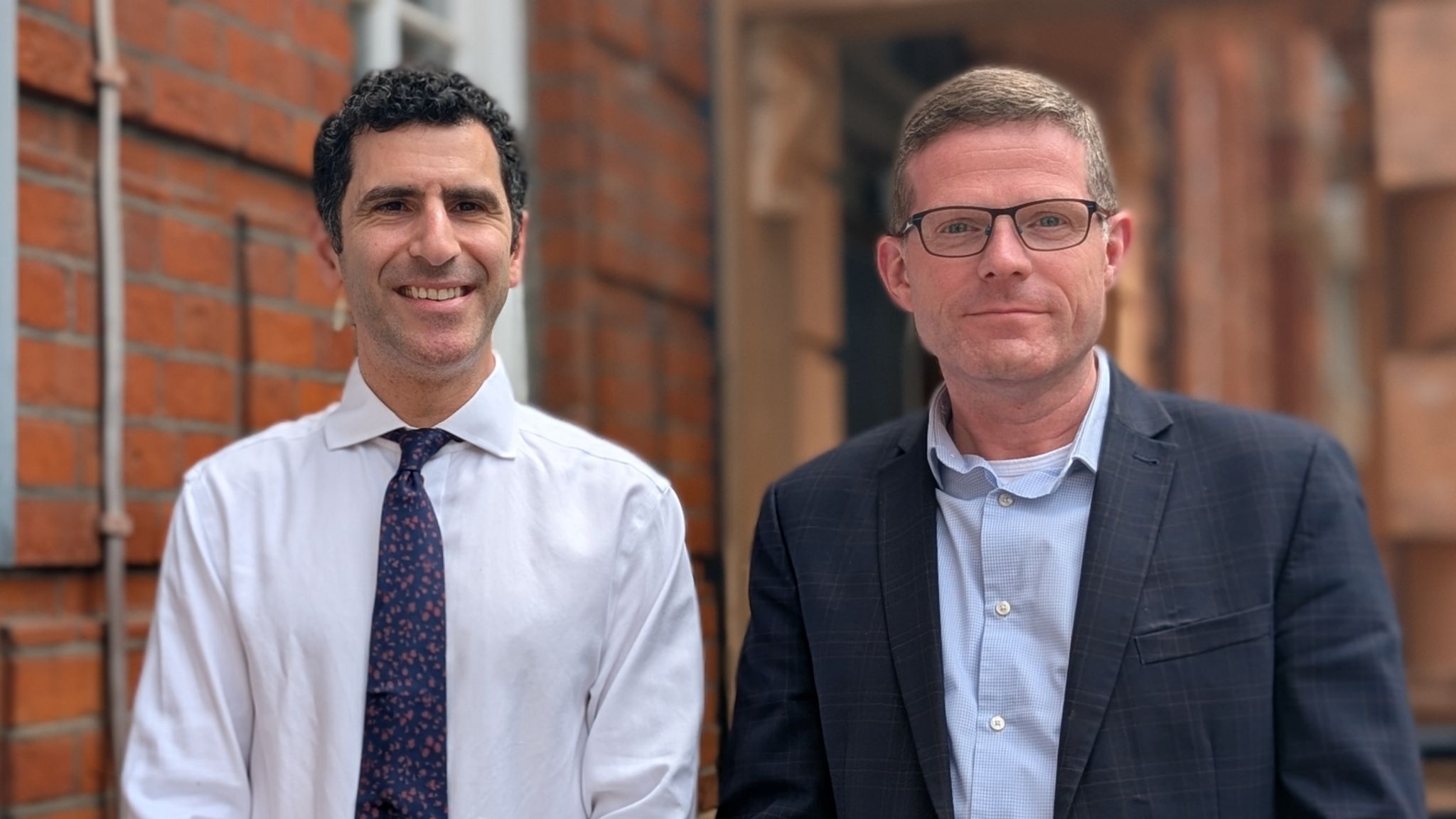
A British man has become the first person in the world to undergo brain tumour removal using live AI-assisted surgery, in a major development in the use of artificial intelligence in neurosurgery.
Rhys Hibbert, 48, underwent the pioneering operation in May at the National Hospital for Neurology and Neurosurgery (NHNN), part of University College London (UCL) Hospitals NHS Foundation Trust.
During the procedure, surgeons used an artificial intelligence system developed in the UK to identify extremely small and important anatomical structures in the brain. The technology colour-coded critical areas in real time, helping surgeons distinguish structures that needed to be protected while removing the tumour.
The hospital team said the technology could be particularly valuable in brain surgery, where numerous vital functions are concentrated within a very small area. Even a difference of a millimetre can potentially have serious consequences, particularly when operating near nerves responsible for vision.
Hibbert said the procedure had saved his eyesight, and he has since returned to work. He described being chosen for the world-first operation as a humbling experience.
‘Made in the UK’
Professor Hani Marcus, a consultant neurosurgeon involved in the procedure, described the operation as an important step forward and highlighted that the AI technology was developed in Britain.
The system was developed in-house at the UCL Hawkes Institute and trained using hundreds of videos from brain surgeries. The technology is designed to help surgeons identify and navigate delicate brain structures during complex procedures.
AI-assisted technology is increasingly being explored across the UK’s healthcare system. Other AI-powered surgical tools have also been tested in live operations, including a system used earlier this year during bowel surgery.
Researchers are also investigating how artificial intelligence could help identify people at risk of diseases such as cancer and improve the efficiency of NHS services.
The successful operation on Hibbert marks another significant step in the development of AI-assisted surgery, demonstrating how technology could help surgeons perform highly precise procedures while reducing the risk of damage to critical structures.
Source: Sky News