Bandula Gunawardena Warns of Serious Economic Crisis in 2027, Questions Government's Funding Plans
· Sri Lanka
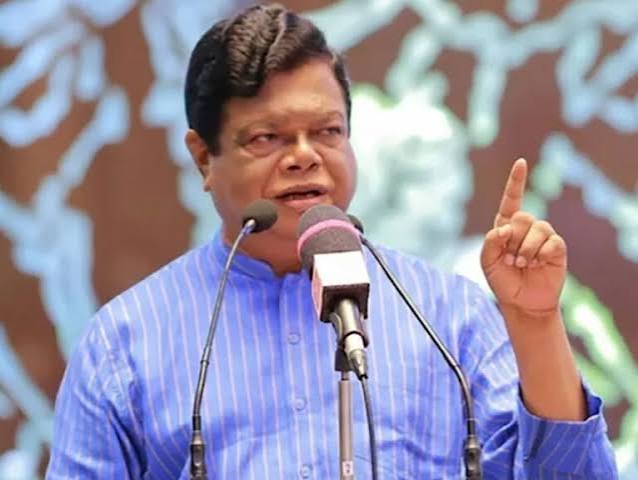
Former Minister and economist Dr. Bandula Gunawardena has warned that Sri Lanka could face a serious economic crisis in 2027, raising concerns over how the government intends to finance its expenditure following the approval of the national budget.
Speaking on the country's economic outlook, Gunawardena said he believed 2027 would pose significant financial challenges, particularly in meeting the gap between government revenue and expenditure.
He referred to the Extended Fund Facility (EFF) agreement reached with the International Monetary Fund (IMF) under former President and Finance Minister Ranil Wickremesinghe, noting that government budgets over the past several years had relied heavily on borrowing.
According to Gunawardena, Sri Lanka could face a financing gap of approximately US$4 billion in 2027. He claimed that, even after accounting for expected funding, the country would have only around US$3.011 billion available, leaving a further shortfall of approximately US$900 million for the year.
He also raised concerns over the country's ability to secure sovereign bonds, saying that Sri Lanka would need foreign reserves of around US$9 billion by the end of this year to access such financing. However, he estimated that current foreign reserves stood at approximately US$7 billion.
Gunawardena argued that the government had not been able to increase foreign reserves sufficiently since assuming office. He called on the Central Bank of Sri Lanka and its Governor to clarify the country's financial position and disclose whether such a funding challenge existed.
He warned that failure to address the situation could lead to an increase in the US dollar exchange rate, further raising the cost of living.
The former minister also called for serious discussions with the IMF to address the potential financial challenges. He stressed that regardless of which political party was in power in 2028, the country would still have to meet its debt repayment obligations.
Referring to the IMF agreement, Gunawardena said the debt restructuring process had been a key condition for securing the agreement. He questioned why the government was reluctant to openly discuss the financial implications of the commitments made under it.
He further noted that the relief period provided under the agreement was intended to give Sri Lanka an opportunity to strengthen its economy.
Gunawardena called on the country's economists, professors and other financial experts to engage in a wider discussion on whether the existing IMF agreement could create further financial difficulties for the country.
He emphasised that the country had a responsibility to carefully examine the commitments made under the agreement and prepare for the challenges ahead.
Source: Serendib News